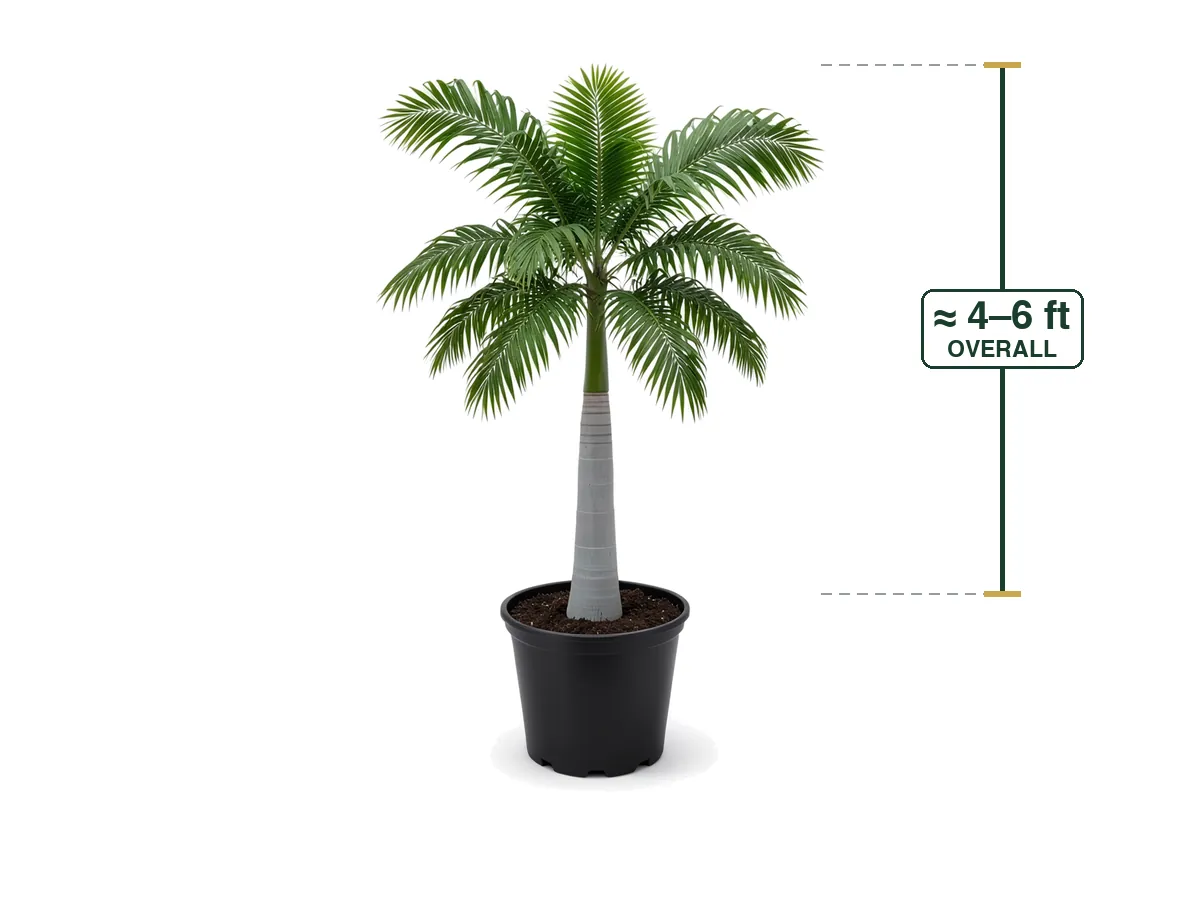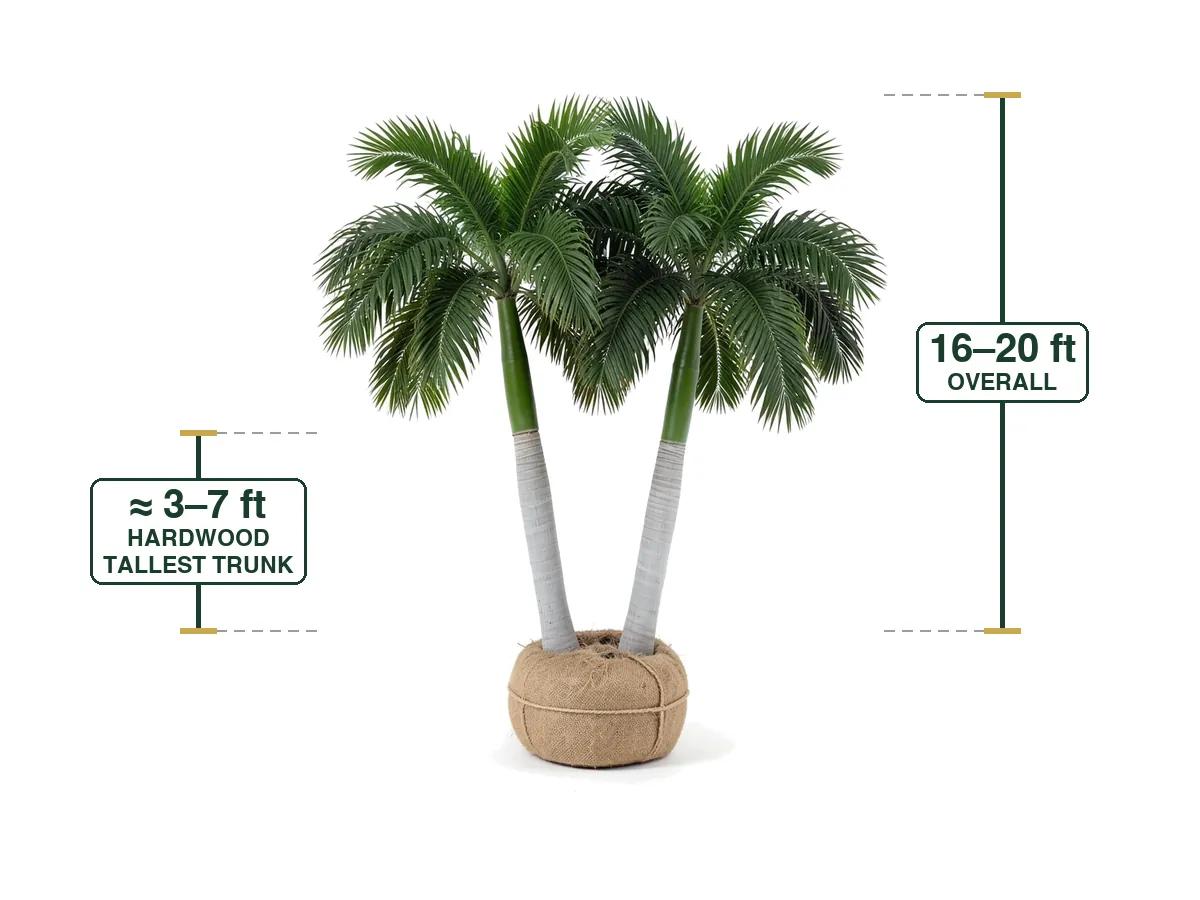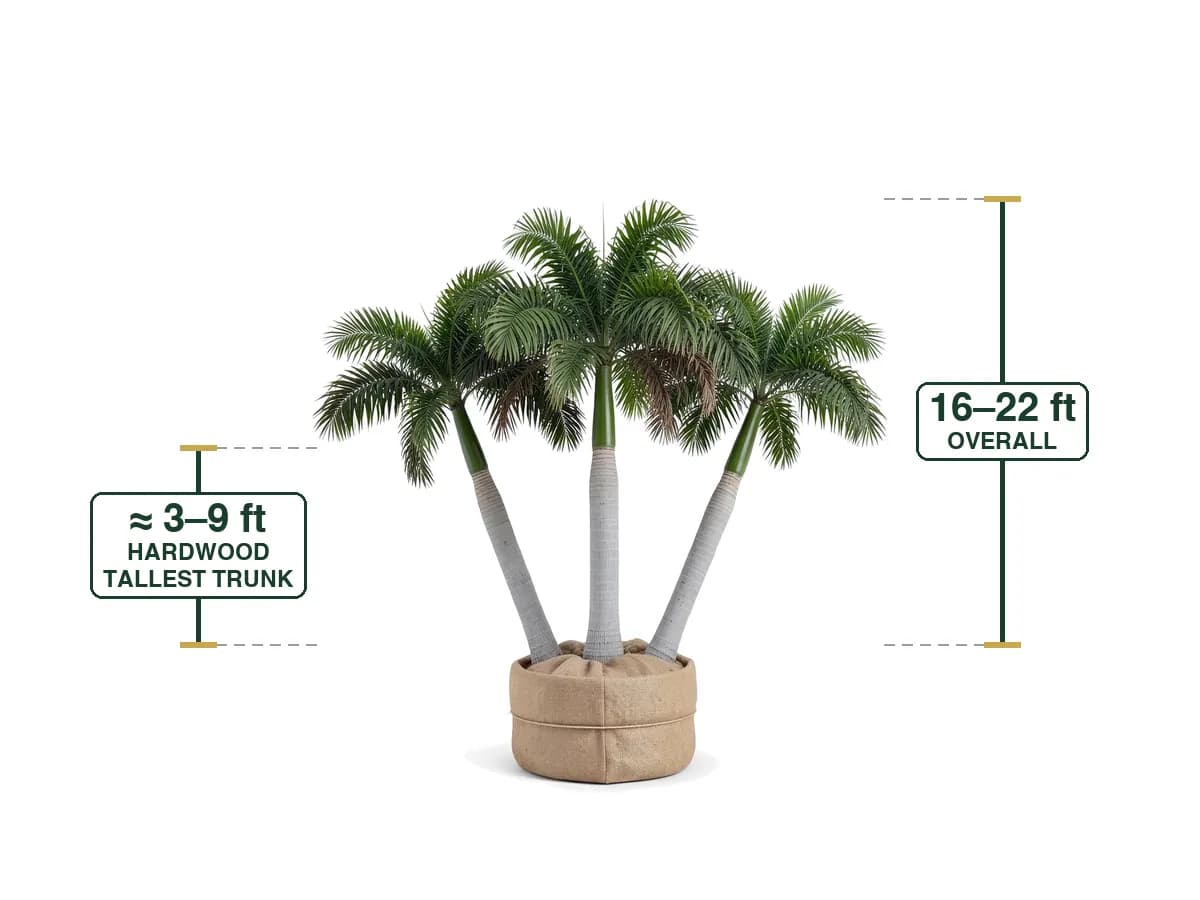
Royal palms are a popular choice for Naples homeowners looking to add a touch of tropical elegance to their landscapes. With proper care, these resilient trees can thrive in Southwest Florida’s unique climate.
Soil Considerations for Royal Palms in Naples
Royal palms prefer well-draining soil, which is essential in Naples where heavy rains can lead to waterlogged conditions. If your soil is clay-heavy or retains too much moisture, consider amending it with organic matter such as compost or peat moss to improve drainage. Avoid planting royal palms in low-lying areas that tend to collect water, as this can lead to root rot. When planting, ensure the root ball is slightly above the surrounding soil level to promote healthy growth.
Managing Salt Exposure
Naples is located along the Gulf Coast, which means royal palms are often exposed to salt spray from the ocean or nearby waterways. Prolonged exposure to salt can damage foliage and hinder growth. To protect your royal palms, plant them at least 20 to 30 feet away from the water’s edge. Regularly rinse the foliage with fresh water during the dry season to remove accumulated salt. If salt damage is already visible, pruning affected fronds can help the tree focus energy on new growth.
Heat Tolerance and Sunlight Needs
Royal palms are well-suited for Naples’ hot and humid climate. They thrive in full sun and can tolerate the intense summer heat common in Southwest Florida. However, newly planted royal palms may need some protection from the harshest midday sun for the first few months. Once established, they require minimal shade and can flourish in direct sunlight. Make sure to water them regularly during the hottest months to prevent stress.
Navigating Rainy and Dry Seasons
Naples experiences distinct rainy and dry seasons, and royal palms can adapt well to both. During the rainy season, ensure that the soil around your royal palms doesn’t become waterlogged. Proper drainage is key to avoiding root rot. In the dry season, increase watering frequency, especially for newly planted palms. A deep, slow watering once a week can help the tree absorb moisture without over-saturating the soil. Mulching around the base of the tree can also help retain moisture and regulate soil temperature.
HOA Rules and Community Guidelines
If you live in a Naples neighborhood with a Homeowners Association (HOA), it’s important to review their landscape guidelines before planting a royal palm. Some communities may have specific rules about tree species, height, and placement. Check your HOA’s bylaws or contact your board to ensure that royal palms are permitted on your property. If you’re unsure, consider consulting with a local landscape professional who can help you navigate the process and ensure compliance with community standards.
Lee County Norms and Planting Practices
In Lee County, royal palms are a common sight in both residential and commercial landscapes. They are often used as specimen trees or in group plantings along streets and in public parks. When planting in Lee County, it’s important to follow local ordinances regarding tree planting, especially if you’re near a public right-of-way. Always check with local authorities or your HOA before planting on shared property. Additionally, royal palms are a popular choice for front yard landscaping due to their elegant appearance and low maintenance once established.
Final Thoughts and Next Steps
Royal palms are a beautiful and resilient addition to any Naples property, but they do require some attention to thrive in Southwest Florida’s unique conditions. From managing salt exposure to understanding HOA guidelines, proper care ensures your royal palm will grow into a stunning, long-lasting feature of your landscape.
If you're ready to bring a royal palm to your Naples home, learn more about our royal palm options or get a custom quote for installation. For more details on pricing and availability, view our royal palm installed price guide. Call (239) 799-5594 or text (239) 763-0625 to speak with our team and start planning your landscape today.
Soil Preparation and Amendments
Before planting a royal palm in Naples, it's important to assess and prepare the soil properly. Southwest Florida's native soils can be sandy and low in organic matter, which may not provide the ideal growing conditions for royal palms. To improve soil quality, consider adding compost or well-rotted organic matter to enhance water retention and nutrient availability. Avoid heavy clay amendments, as they can hinder drainage and lead to root issues. When planting, ensure the root ball is slightly elevated above the surrounding soil to prevent water pooling. This helps prevent root rot and promotes healthy root development. Proper soil preparation is especially critical in areas with high water tables or frequent flooding, as it ensures the palm has access to oxygen and remains healthy over time.
Pest and Disease Management
Royal palms in Naples are generally resistant to most pests and diseases, but they can occasionally be affected by common Southwest Florida issues such as scale insects, mealybugs, and palm yellows. Regular inspection of fronds and trunks can help catch infestations early. If scale or mealybugs are present, treat them with horticultural oil or insecticidal soap, which are effective and safe for use around homes and pets. For palm yellows, a systemic pesticide may be necessary, but it's best to consult with a local arborist or nursery professional to determine the most appropriate course of action. Preventative measures such as maintaining proper watering and fertilizing with a balanced palm-specific fertilizer can also strengthen the tree’s natural defenses. Keeping the area around the palm free of debris and ensuring good air circulation can further reduce the risk of disease.
Related Reading From Palm and Plant Co
- ✓Sylvester Palms in Naples, Florida
- ✓Royal Palms in Lehigh Acres
- ✓Royal Palms in Cape Coral
- ✓Royal Palms in Fort Myers: A Homeowner\
- ✓Foxtail Palms in Naples, Florida