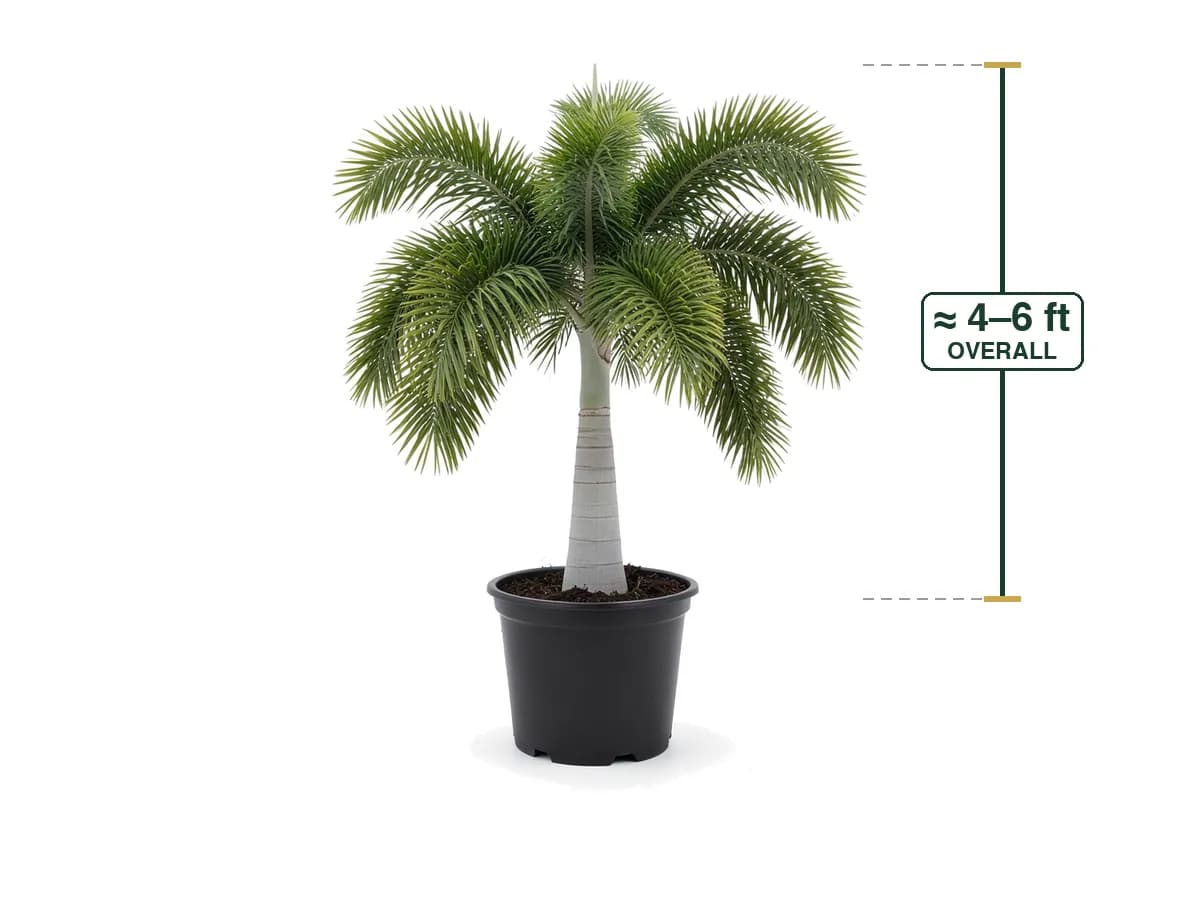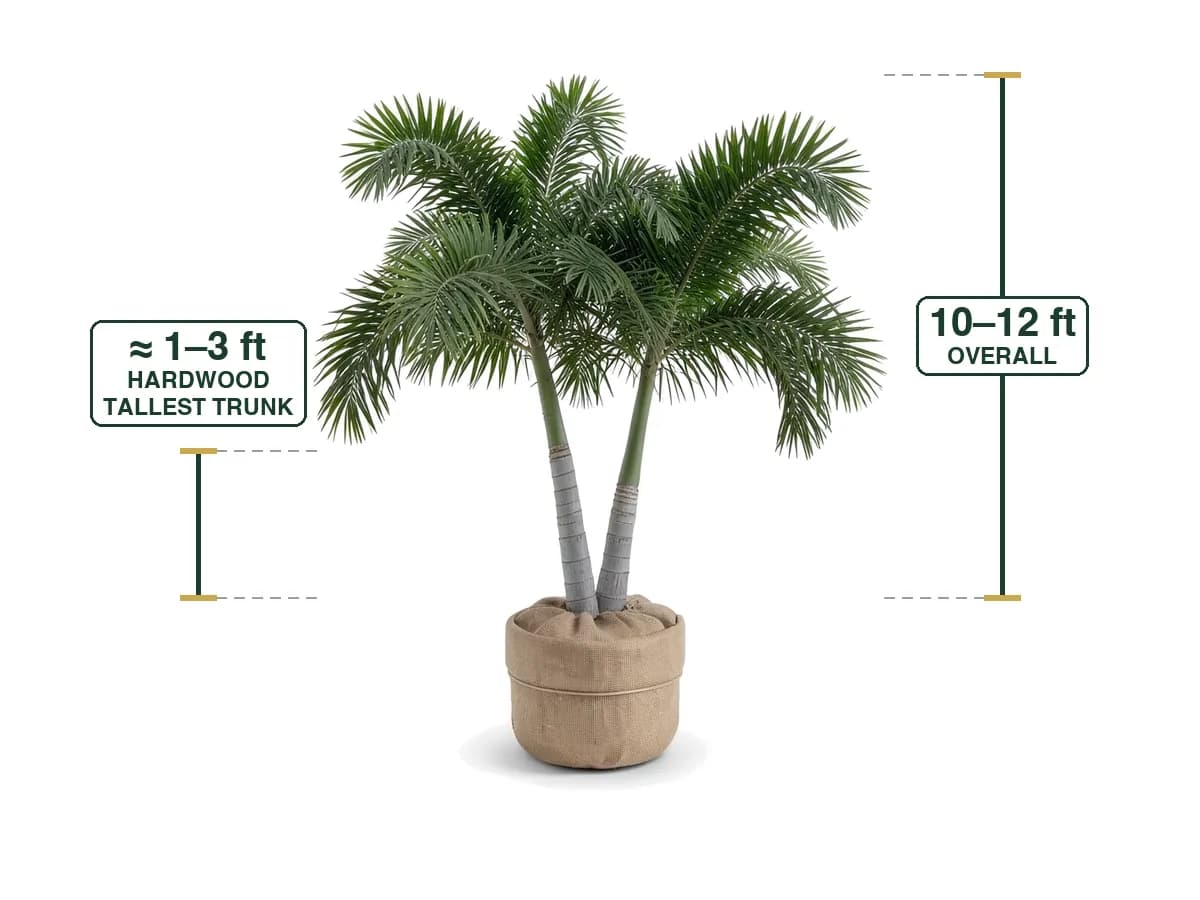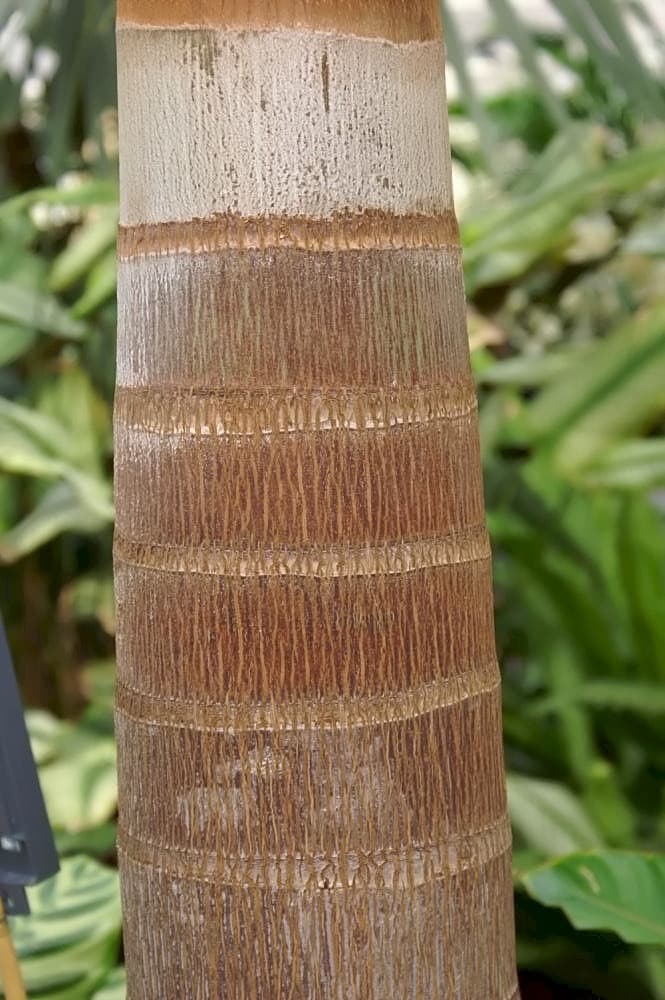
Foxtail palms are a popular choice for Naples homeowners looking to add a tropical flair to their landscape. These resilient palms thrive in the Southwest Florida climate and offer a unique, elegant look.
Soil Considerations for Foxtail Palms
Foxtail palms are adaptable but prefer well-draining soil. In Naples, the soil can vary from sandy to clay-like, so it's important to prepare the planting area properly. Here are a few tips:
- ✓Ensure the planting site has good drainage to avoid waterlogged roots.
- ✓Amend heavy clay soils with organic matter such as compost or peat moss to improve aeration and drainage.
- ✓Avoid planting in areas where water tends to pool after rain.
- ✓If your soil is particularly sandy, consider adding a layer of mulch to help retain moisture.
For more information on planting and care, visit our guide on foxtail palms.
Salt Tolerance and Coastal Considerations
Naples is known for its beautiful coastline, and salt spray can be a concern for many plants. Foxtail palms are relatively salt-tolerant, making them a good choice for properties near the beach or in areas with high salt exposure.
- ✓Choose planting locations that are not directly exposed to ocean spray or frequent saltwater intrusion.
- ✓If planting near the coast, consider using a barrier such as a fence or hedge to reduce salt exposure.
- ✓Regularly rinse the foliage with fresh water during the summer months if salt buildup is a concern.
- ✓Avoid overwatering, as this can increase salt concentration in the soil.
Heat and Sunlight Needs
Foxtail palms thrive in the warm climate of Naples, but they still need some protection from extreme heat and intense sunlight. Here's how to manage that:
- ✓Plant foxtail palms in areas that receive partial to full sun but are not exposed to reflected heat from nearby structures or pavement.
- ✓Provide some shade during the hottest part of the day, especially during the summer months.
- ✓Water the palms regularly during periods of extreme heat to prevent stress.
- ✓Mulching around the base of the palm can help regulate soil temperature and retain moisture.
Rainy and Dry Season Care
Naples experiences both wet and dry seasons, and proper care during each is essential for the health of your foxtail palms.
- ✓During the rainy season, ensure that the planting area has good drainage to prevent root rot.
- ✓Avoid overwatering, even during the wet season, as foxtail palms are susceptible to root diseases in poorly drained soils.
- ✓During the dry season, water the palms deeply and regularly to maintain soil moisture.
- ✓Apply a layer of mulch to help retain moisture and regulate soil temperature.
HOA Rules and Community Guidelines
If you live in a neighborhood with a homeowners association (HOA), it's important to check the community guidelines before planting foxtail palms.
- ✓Review your HOA's landscape regulations to ensure foxtail palms are allowed in your area.
- ✓Some HOAs may have specific rules about the height, placement, or number of palms per property.
- ✓If you're unsure, contact your HOA administrator or review the community's official website for details.
- ✓If you need help with a quote or plan, we can assist you with our quoting system.
Lee County Norms and Local Expertise
In Lee County, including Naples, foxtail palms are a common and well-suited choice for residential landscapes. Local nurseries and landscapers often recommend them for their beauty and resilience.
- ✓Foxtail palms are a popular choice in Lee County due to their ability to thrive in the local climate.
- ✓When planting, be sure to follow local horticultural best practices for long-term success.
- ✓If you're considering having a professional install your foxtail palms, you can get an estimate with our installation pricing guide.
Whether you're planting your own foxtail palms or hiring a professional, we're here to help you create a beautiful and thriving landscape. For a customized quote or to learn more about our services, visit our quoting page. Contact us at (239) 799-5594 for any questions or assistance.
Soil Preparation and Amendments
In Southwest Florida, the native soil can be sandy and low in organic matter, which may not provide the ideal growing conditions for foxtail palms. To ensure healthy growth, it's beneficial to amend the soil with compost or well-rotted organic material before planting. This helps improve water retention and nutrient availability. When planting in sandy soils, creating a planting hole that is slightly larger than the root ball and backfilling with a mix of native soil and organic matter can promote better root establishment. Additionally, avoiding heavy clay soils is important, as they can restrict drainage and lead to root issues. For best results, consult with a local nursery or landscaping expert to determine the most suitable soil amendments for your specific planting site in Naples.
Pest and Disease Management
Foxtail palms in Southwest Florida can be susceptible to certain pests and diseases that are common in the region, such as palm weevils, scale insects, and fungal infections. Regular inspection of the palm's fronds and trunk is essential for early detection of infestations or disease symptoms. If signs of pests or disease are noticed, prompt action is necessary to prevent the spread to other plants in the landscape. Using integrated pest management techniques, such as applying horticultural oils or insecticidal soaps, can help control pest populations without harming beneficial insects. Additionally, maintaining good air circulation around the palms by avoiding overcrowding and pruning nearby vegetation can reduce the risk of fungal infections. Local landscaping professionals can provide targeted recommendations for pest and disease control tailored to the Naples climate.
Related Reading From Palm and Plant Co
- ✓Foxtail Palms in Cape Coral
- ✓Foxtail Palms in North Fort Myers
- ✓Foxtail Palms in Lehigh Acres
- ✓Sylvester Palms in Naples, Florida
- ✓Foxtail Palms in Estero, Florida