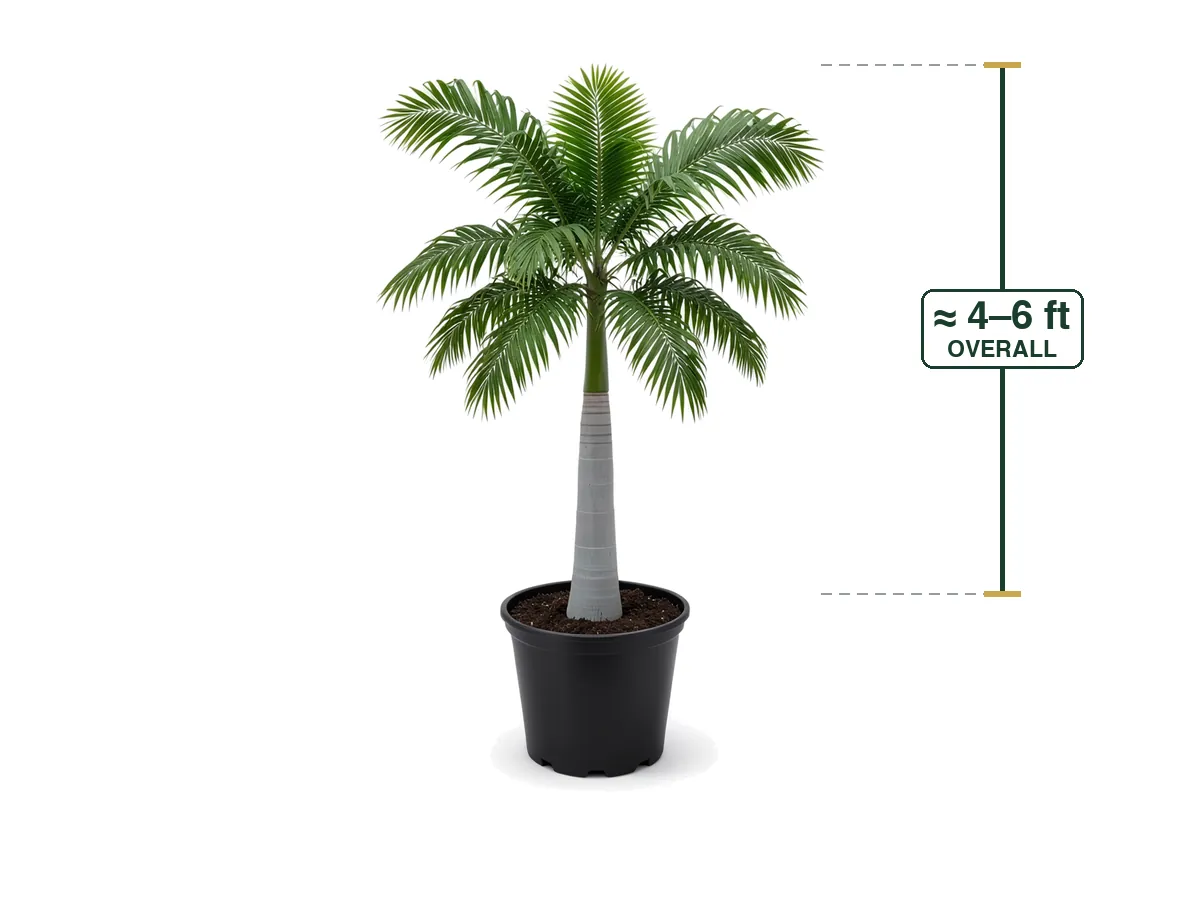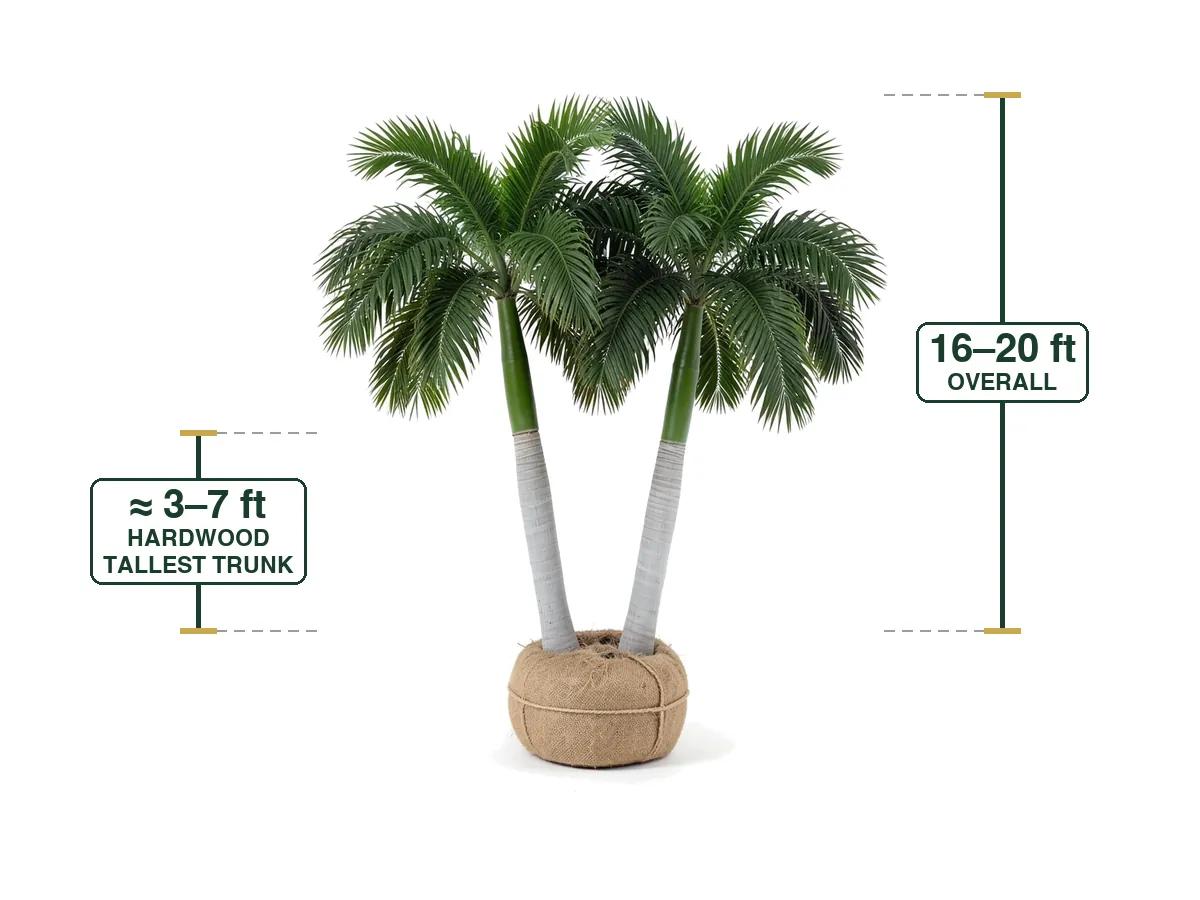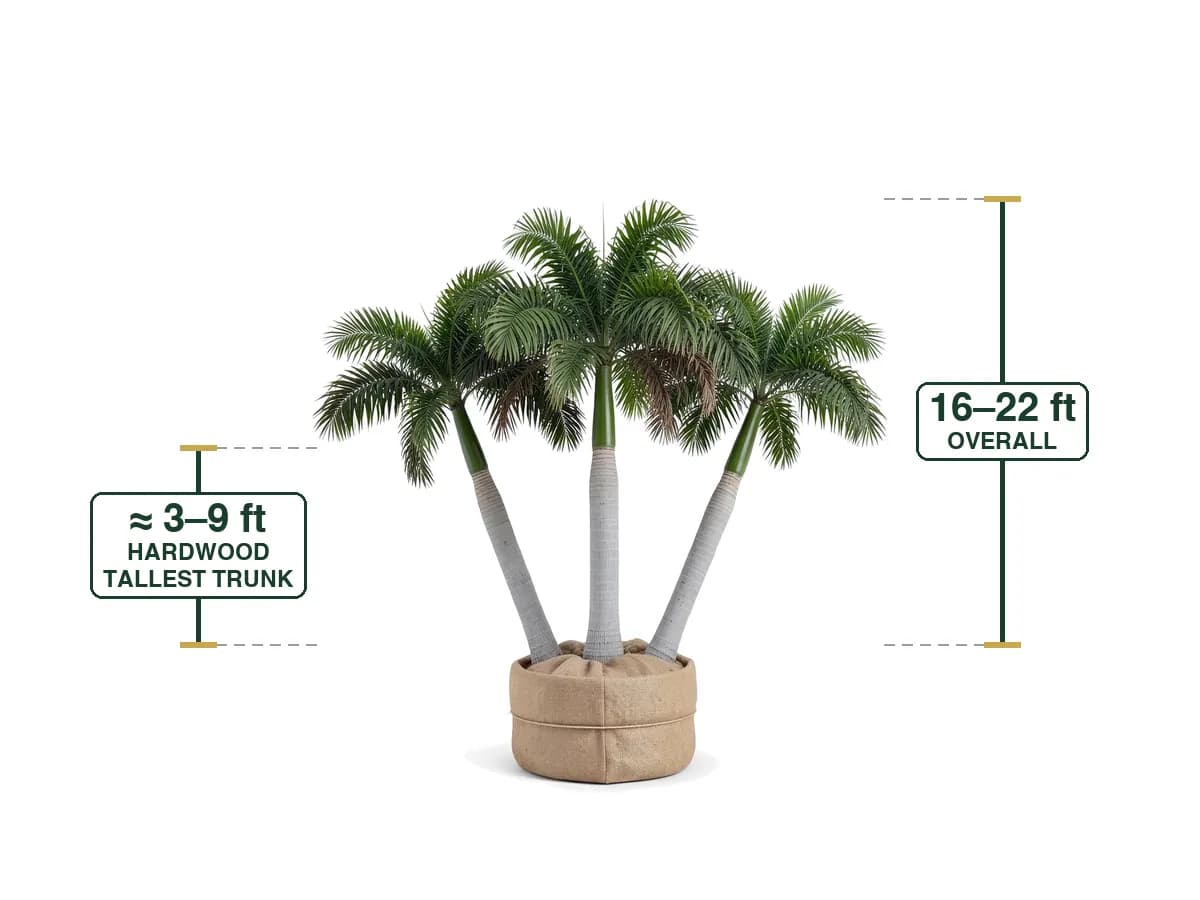
Royal palms are a popular choice for homeowners in Fort Myers, offering both beauty and resilience in the Southwest Florida climate. This guide provides practical advice for planting, maintaining, and enjoying royal palms in your landscape.
Soil Considerations for Royal Palms
Royal palms thrive in well-draining soil, which is essential in the often-wet conditions of Southwest Florida. To ensure your royal palm gets the best start, prepare the planting area by removing any compacted soil or debris. If your soil is heavy or clay-like, consider adding compost or sand to improve drainage. Avoid planting in low-lying areas where water tends to pool, as this can lead to root rot. A pH level between 5.5 and 7.5 is ideal, so a soil test can help determine if amendments are needed before planting.
Managing Salt Exposure
Salt exposure is a common concern for coastal homeowners in Fort Myers. Royal palms are relatively salt-tolerant, but prolonged exposure to salt spray can damage their fronds and overall health. If your home is within a few hundred feet of the coast, consider planting royal palms a bit further inland or use windbreaks to reduce salt exposure. Regular rinsing of the fronds with fresh water during high salt periods can also help maintain their appearance and health.
Heat Tolerance and Sunlight Needs
Royal palms are well-suited to the hot, humid climate of Southwest Florida. They prefer full sun and can withstand high temperatures, making them a great choice for sunny areas of your yard. However, during the hottest parts of the day, providing some afternoon shade can help prevent leaf scorch. When planting, ensure the location receives at least six hours of direct sunlight daily. Their heat tolerance makes them an excellent option for front yards or along driveways where they can add a tropical feel without requiring special care.
Rainy and Dry Season Care
Royal palms are adaptable to both wet and dry conditions, but they perform best with consistent moisture. During the rainy season, ensure that the planting area is not waterlogged, as this can lead to root rot. In dry seasons, especially during extended droughts, supplement with deep watering to encourage strong root growth. Mulching around the base of the tree can help retain moisture and regulate soil temperature. Avoid overwatering, as royal palms are more susceptible to root rot than many other palm species.
HOA Rules and Planting Regulations
Before planting a royal palm, it's important to check with your Homeowners Association (HOA) for any specific rules or restrictions. Many HOAs in Fort Myers have guidelines about tree types, sizes, and placement. Some may require a permit for large trees or have preferences for certain species. Always review your HOA’s covenants, conditions, and restrictions (CC&Rs) to ensure your royal palm is in compliance. If you're unsure, your HOA management office can provide clarification or help you find a suitable alternative if needed.
Lee County Norms and Planting Tips
In Lee County, royal palms are commonly used in both residential and commercial landscapes due to their elegance and hardiness. When planting in Lee County, follow local best practices by spacing royal palms at least 10 to 15 feet apart to allow for proper growth and air circulation. Planting during the cooler months of fall or early spring can help reduce transplant shock. If you're unsure about the best time to plant or need help with installation, contact us for a quote and we can help guide you through the process.
Final Thoughts and Next Steps
Royal palms can be a beautiful and low-maintenance addition to any Fort Myers landscape, but success depends on proper planting and care. Whether you're considering planting a royal palm yourself or need professional help, our team is here to assist. Explore our royal palm product page to learn more about this species, or view our installation pricing for detailed information on professional planting services. For a personalized quote and expert advice, contact us today.
Soil Preparation and Drainage in Fort Myers
Royal palms thrive in well-draining soil, which is essential in Fort Myers where heavy clay soils can be common. Before planting, amend the soil with organic matter such as compost or peat moss to improve aeration and drainage. If your soil is particularly dense, consider creating a planting hole that is twice as wide as the root ball and backfill with a mix of native soil and organic material. Avoid planting in low-lying areas where water tends to pool, as standing water can lead to root rot. Proper soil preparation not only helps the royal palm establish strong roots but also supports long-term health and resilience in Southwest Florida’s variable climate.
Pest and Disease Management in Southwest Florida
While royal palms are generally resistant to pests and diseases, they can occasionally be affected by common Southwest Florida issues such as scale insects and palm grubs. Regular inspections of the trunk and fronds can help catch infestations early. If scale is present, applying a horticultural oil or insecticidal soap can be an effective, non-toxic solution. For palm grubs, maintaining healthy soil and avoiding overuse of nitrogen-rich fertilizers can reduce their likelihood of infestation. It's also wise to avoid planting royal palms near areas with high moisture retention, as this can attract pests. Keeping the area around the tree clean by removing fallen fronds and debris can further reduce the risk of disease and pest problems.
Related Reading From Palm and Plant Co
- ✓Royal Palms in Lehigh Acres
- ✓Royal Palms in Cape Coral
- ✓Royal Palms in Sanibel, Florida
- ✓Best Palm Trees for Tampa Bay Yards: What Survives a 9b Winter
- ✓Sylvester vs Canary Island Date Palm for Sarasota and Bradenton Homes: Cost, Look and Cold Hardiness