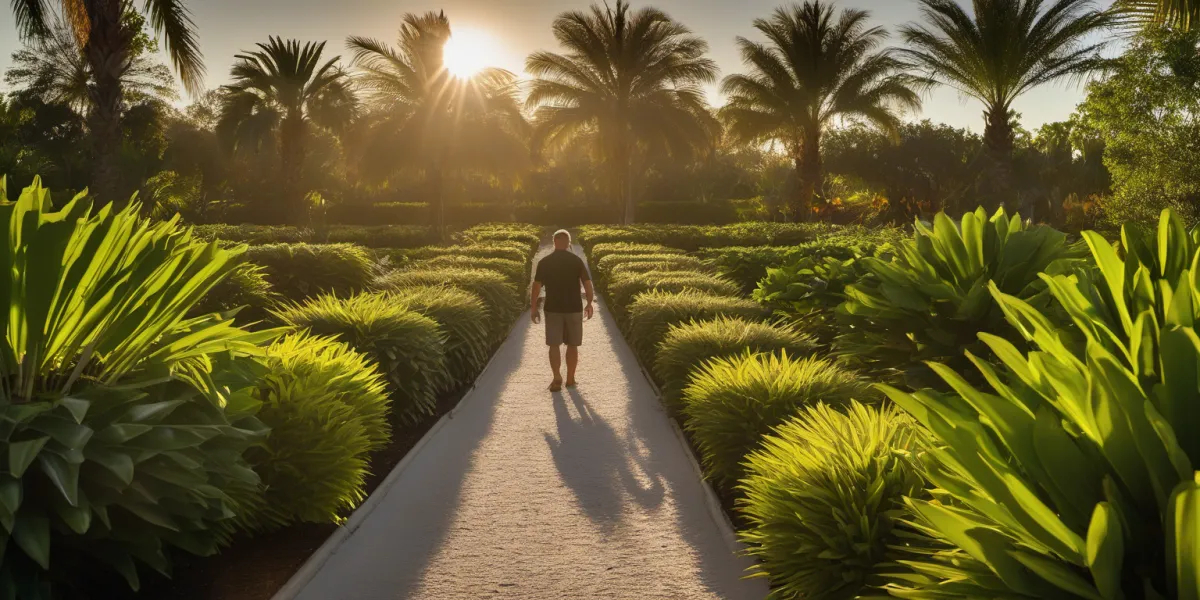
If you've been searching "palm trees for sale Cape Coral," you already know the problem: prices vary wildly, sizes are confusing, and it's hard to know whether you're getting a good deal or a struggling tree. This guide cuts through the noise and tells you exactly what to expect when buying palms in Southwest Florida.
Cape Coral is one of the most palm-friendly cities in the entire country. USDA Hardiness Zone 10a, year-round warmth, and abundant sun mean palms don't just survive here, they thrive. But not every palm sold at a roadside stand or big box store will perform the way you expect. Knowing what to buy, what to pay, and how to get it planted correctly makes all the difference.
Understanding Palm Tree Sizes, What the Numbers Mean
Palm trees are typically sold by overall height (ground to the top of the canopy) or by clear trunk height (the bare trunk section below the fronds). These numbers matter because a palm sold as "10 feet tall" might have 4 feet of visible trunk and 6 feet of fronds, or it might have 8 feet of trunk. Always ask which measurement is being quoted.
- ✓Small (3-6 ft overall): Great for containers, accent plantings, or budget-friendly installs. Establish quickly but provide limited immediate impact.
- ✓Medium (7-12 ft overall): The sweet spot for most Cape Coral homeowners. Noticeable size, established root system, reasonable price.
- ✓Large (13-20 ft overall): Makes an immediate statement. Best for driveways, pool areas, and specimen plantings where you want impact on day one.
- ✓Specimen/Estate (20+ ft): The crown jewel. These palms require professional equipment to move and install. Pricing reflects that.
Realistic Pricing for Palm Trees in Cape Coral
Palm pricing in Southwest Florida fluctuates based on species, size, time of year, and supply conditions, but here are realistic ranges to help you budget. Keep in mind that installation, delivery, and soil amendments are typically separate from the tree price itself.
- ✓Areca Palm (clump, 6-8 ft): $75, $150 per clump, excellent privacy value
- ✓Foxtail Palm (8-10 ft): $150, $350 each, the most popular residential palm in Cape Coral
- ✓Christmas Palm (8-10 ft): $100, $250 each, great for small yards and pool cages
- ✓Royal Palm (10-12 ft): $400, $900 each, dramatic, fast-growing, estate look
- ✓Bismarck Palm (6-8 ft): $200, $500 each, striking silver-blue specimen
- ✓Queen Palm (10-14 ft): $150, $400 each, fast-growing, affordable, graceful
- ✓Sylvester Date Palm (10-14 ft): $600, $2,000+, rugose texture, high-end look
Pro Tip: Be cautious of unusually cheap palms. Palms sold far below market rate are often root-bound, recently dug from the wild without proper recovery time, or carrying pests like lethal bronzing disease. Buying from a reputable local nursery protects your investment.
Pickup vs. Delivery, Which Is Right for You?
For smaller palms (under 8 feet), pickup is perfectly practical if you have a truck or trailer and can keep the root ball moist during transport. For anything larger, delivery is strongly recommended, not just for convenience, but to protect the tree. Large palms need proper rigging to avoid damaging the root ball or the trunk, which can set back establishment by months.
Professional delivery and installation services also ensure your palm is planted at the correct depth (critical, too deep kills palms), oriented for the best visual effect, and staked properly to survive Cape Coral's afternoon thunderstorms and occasional tropical systems.
Choosing the Right Palm for Your Goal
For Privacy Screening
Areca Palms are the gold standard for privacy in Cape Coral. Plant clumps 4-5 feet apart along a property line and you'll have a lush, 15-foot green wall within 2-3 years. For faster results, install larger clumps (8-10 ft) spaced closer together.
For Immediate Visual Impact
Royal Palms and Foxtail Palms in the 12-16 foot range deliver instant curb appeal. A pair flanking a driveway entrance transforms a home's appearance the same day they're planted. If budget allows, go larger, these palms are worth every dollar.
For a Tropical Resort Feel Around the Pool
Mix Christmas Palms (compact, tidy, architectural) with Foxtail Palms for a layered, resort-style pool area. Add Alexander Palms or Pygmy Date Palms for ground-level interest. The goal is canopy variety at different heights.
For Canal or Waterfront Properties
Salt tolerance is essential for canal-side lots in Cape Coral. The best choices are Sabal Palms (Florida's state tree, extremely salt-tolerant), Coconut Palms, and Sylvester Date Palms. Avoid Queen Palms and Foxtail Palms within 20 feet of salt water, they're sensitive to salt spray.
Best Palm Species Specifically for Cape Coral
Cape Coral's sandy, alkaline soils and Zone 10a climate favor a specific set of palms. The following species consistently perform best in Lee County conditions and are available year-round from local nurseries.
- ✓Foxtail Palm: Self-cleaning, heat-loving, fast-growing, the #1 choice for most Cape Coral yards
- ✓Areca Palm: Unbeatable for privacy hedges and tropical screening
- ✓Royal Palm: Dramatic estate tree, hurricane-flexible, self-cleaning
- ✓Sabal Palm (Cabbage Palm): Florida native, virtually indestructible, excellent salt tolerance
- ✓Christmas Palm: Perfect for smaller lots, pool cages, and entryways
- ✓Bismarck Palm: Stunning silver-blue specimen for statement planting
- ✓Coconut Palm: The quintessential tropical tree, thrives in Cape Coral's heat and humidity
Establishment Tip: Newly planted palms need deep watering 3-4 times per week for the first 3-4 months. Cape Coral's sandy soils drain fast, don't rely on rainfall alone. Once established, most palms need little supplemental irrigation.
Ready to find the right palm tree for your Cape Coral property? Florida Palm and Plant Co. carries a wide selection of palms in all sizes, offers professional delivery and installation throughout Lee County, and provides expert advice at no charge. Call us at (239) 799-5594 or visit palmandplantco.com to request a free quote. We'll help you choose the right tree at the right size for your budget and your goals.