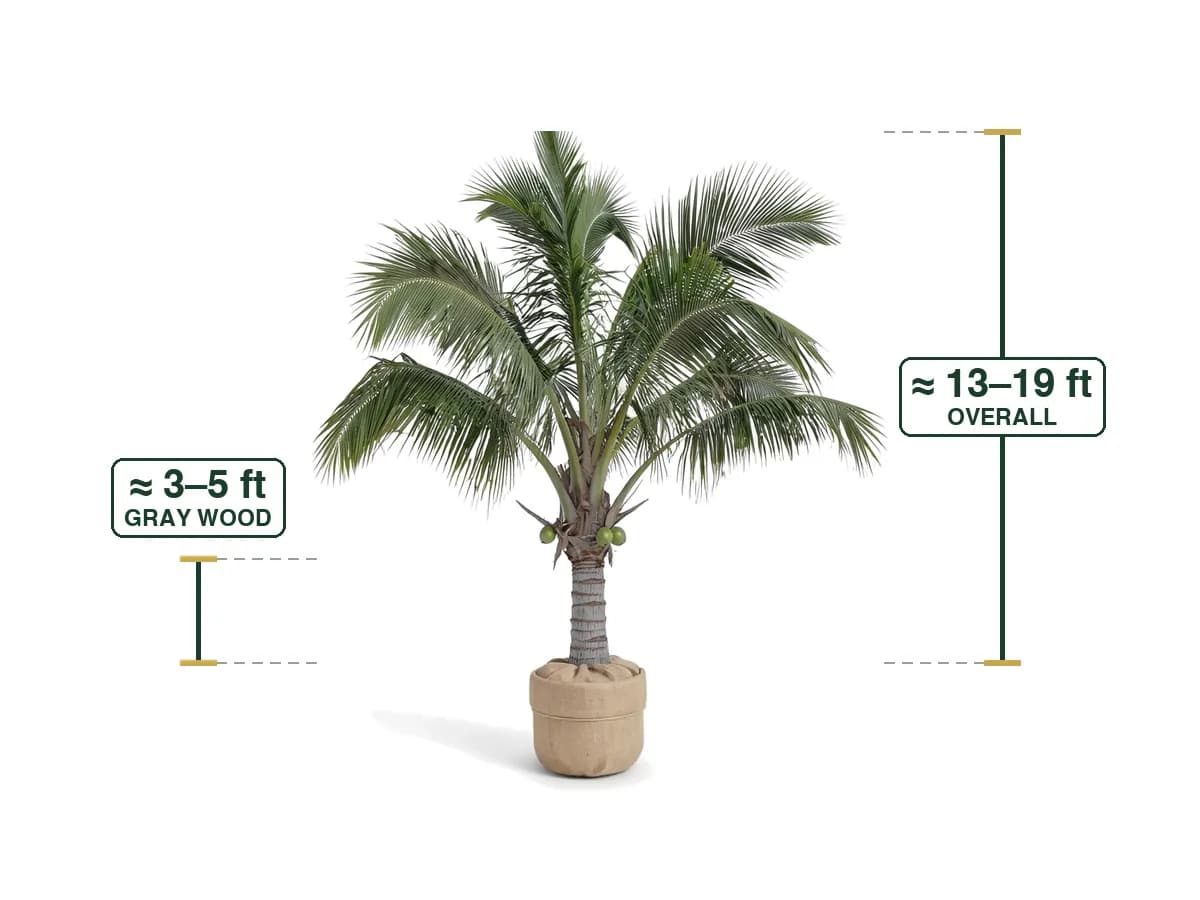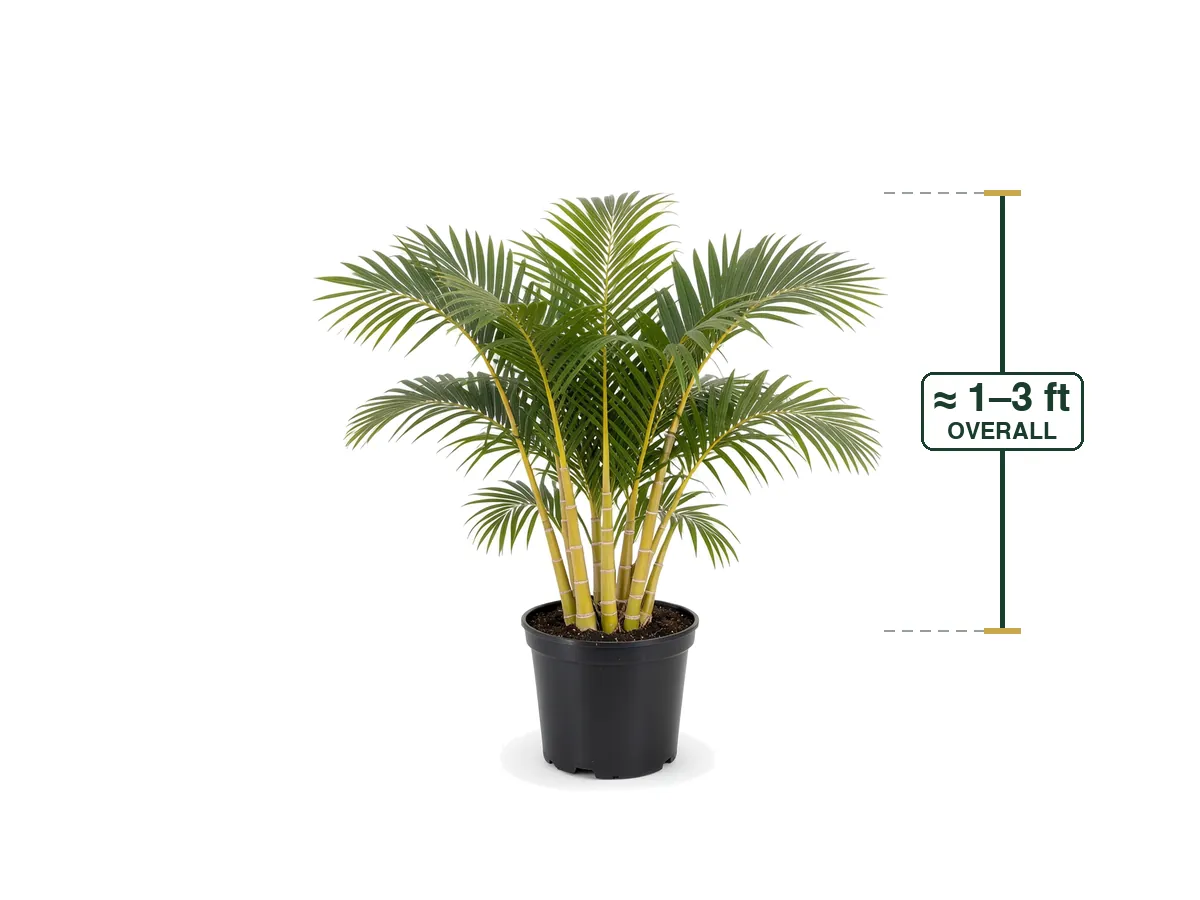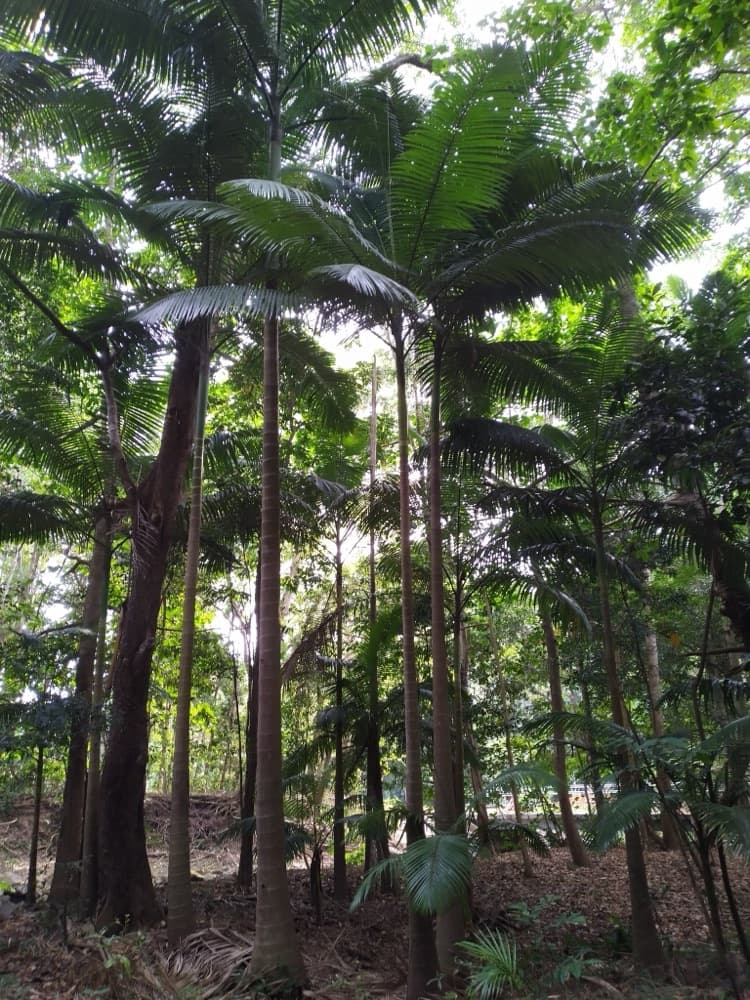
Coconut palms are a striking addition to any SW Florida landscape, offering tropical beauty and a touch of elegance. If you're looking for areca palms for sale near you in Estero, Florida, consider how these palms can thrive in your unique climate and environment.
Soil Considerations for Coconut Palms
Coconut palms thrive in well-draining, sandy soils that are rich in organic matter. In Estero, Florida, the naturally sandy soils are ideal, but it's important to avoid heavy clay or compacted soils that can hinder root growth. When planting, ensure the area is free of debris and rocks, and consider adding compost or peat moss to improve soil quality. Avoid overwatering, as coconut palms are more resilient to drought than waterlogged conditions.
Salt Tolerance and Coastal Living
If you live near the coast in Estero, salt exposure is a key consideration. Coconut palms are moderately salt-tolerant, making them a good choice for properties near the Gulf of Mexico. However, prolonged exposure to high salt levels can damage the fronds and slow growth. To mitigate salt damage, plant coconut palms at least 30 to 50 feet away from the shoreline, and avoid using seawater for irrigation. Regularly rinsing the foliage with fresh water during the summer can also help reduce salt buildup.
Heat and Sun Exposure
Coconut palms are well-suited to the hot, humid climate of SW Florida. They prefer full sun and can tolerate high temperatures, making them a great choice for Estero's sunny days. However, it's important to provide some protection during the hottest parts of the day if the palms are newly planted or young. Gradually acclimating the palms to full sun over a few weeks can help prevent sun scorch. Ensure the planting area has good air circulation to reduce the risk of fungal diseases.
Managing Rainy and Dry Seasons
Estero experiences both rainy and dry seasons, and coconut palms are adaptable to these changes. During the rainy season, ensure proper drainage to avoid waterlogging, which can lead to root rot. During the dry season, water the palms deeply but infrequently to encourage deep root growth. Mulching around the base of the palms can help retain moisture and regulate soil temperature. Regularly inspect the palms for signs of stress, such as yellowing fronds or dry leaf tips, and adjust watering accordingly.
HOA Rules and Planting Guidelines
Before planting coconut palms in Estero, be sure to check with your HOA for any specific rules or guidelines. Some communities may have restrictions on the size, type, or placement of palms. It's also important to consider the mature height and spread of coconut palms, as they can grow quite large. If you're unsure about the rules, consult your HOA or a local landscape professional. Ensuring compliance with community guidelines can help prevent future issues and maintain the aesthetic of your neighborhood.
Lee County Norms and Planting Practices
In Lee County, coconut palms are a popular choice for both residential and commercial landscapes. Local planting practices often focus on proper spacing and soil preparation to ensure long-term health. When planting, space coconut palms at least 15 to 20 feet apart to allow for adequate growth and air circulation. Regular pruning and maintenance can also help keep the palms looking their best. If you're unsure about the best practices for your specific property, consider consulting with a local expert or contacting a professional nursery for guidance.
Ready to Bring a Coconut Palm to Your Estero Property?
If you're looking for areca palms for sale near you in Estero, Florida, coconut palms are a great option for adding tropical flair to your landscape. For more information on coconut palm installation and pricing, visit coconut palm installed prices. You can also explore our available coconut palms at coconut palm sizes and stock. To get a customized quote for your property, contact us at get a written price or call us directly at (239) 799-5594.
Pest and Disease Management
Coconut palms in Estero are occasionally affected by pests such as palm weevils and scale insects, which can cause significant damage if left unchecked. Regular inspections of the trunk, fronds, and roots are essential for early detection. Look for signs like yellowing leaves, soft or discolored areas on the trunk, or unusual growths on the fronds. Using organic or chemical treatments recommended by local horticulturists can help manage infestations. Encouraging natural predators, such as birds and beneficial insects, by maintaining a diverse landscape can also reduce pest problems. Proper pruning to improve air circulation and avoid overwatering helps prevent fungal diseases that thrive in damp conditions. Staying proactive with pest and disease management ensures your coconut palms remain healthy and vibrant in the SW Florida climate.
Soil Preparation and Amendments
Before planting coconut palms in Estero, it's important to assess and prepare the soil properly. Coconut palms thrive in well-draining, sandy soils with a slightly acidic to neutral pH. If your soil is heavy or clay-like, consider amending it with organic matter such as compost or peat moss to improve drainage and aeration. Avoid over-fertilizing, as excessive nutrients can lead to salt buildup and damage the roots. Incorporating a layer of mulch around the base of the palms helps retain moisture, suppress weeds, and gradually improve soil quality as it decomposes. In areas with poor natural drainage, creating a slight mound or raised bed can help prevent waterlogging. Taking the time to prepare the soil properly sets the foundation for healthy growth and long-term success of your coconut palms in SW Florida.
Related Reading From Palm and Plant Co
- ✓Coconut Palms in Cape Coral
- ✓Sylvester Palms in Estero, Florida
- ✓Coconut Palms in Punta Gorda
- ✓Coconut Palms in Sanibel, Florida
- ✓Best Palm Trees for Tampa Bay Yards: What Survives a 9b Winter