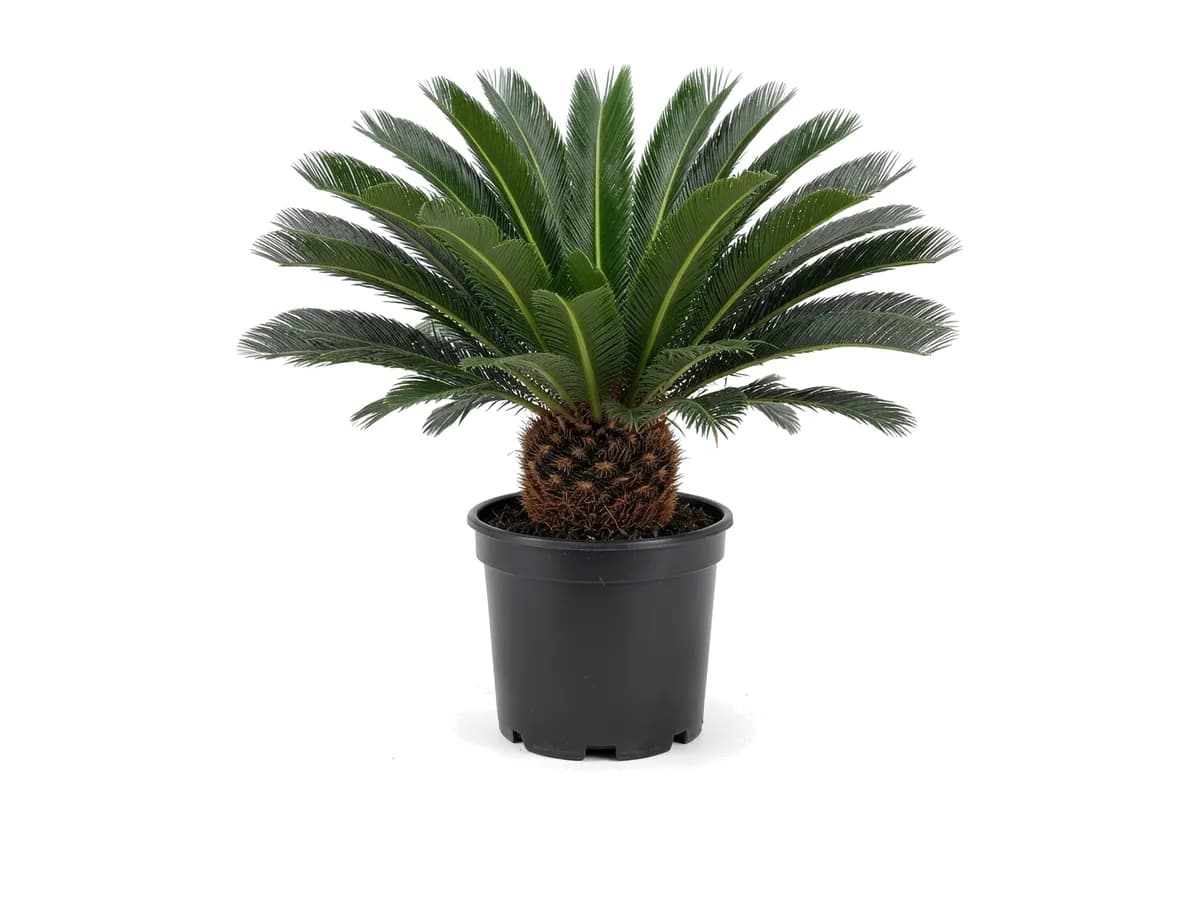
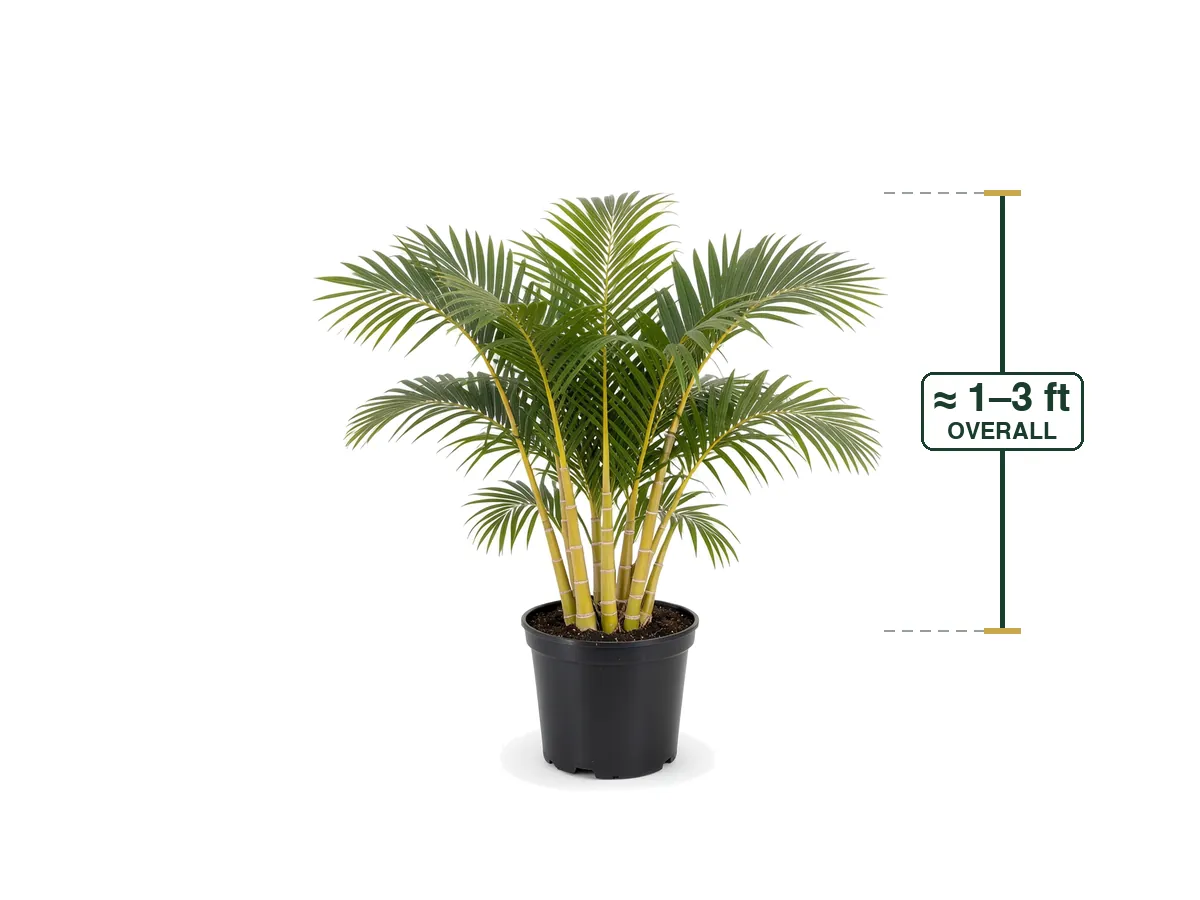
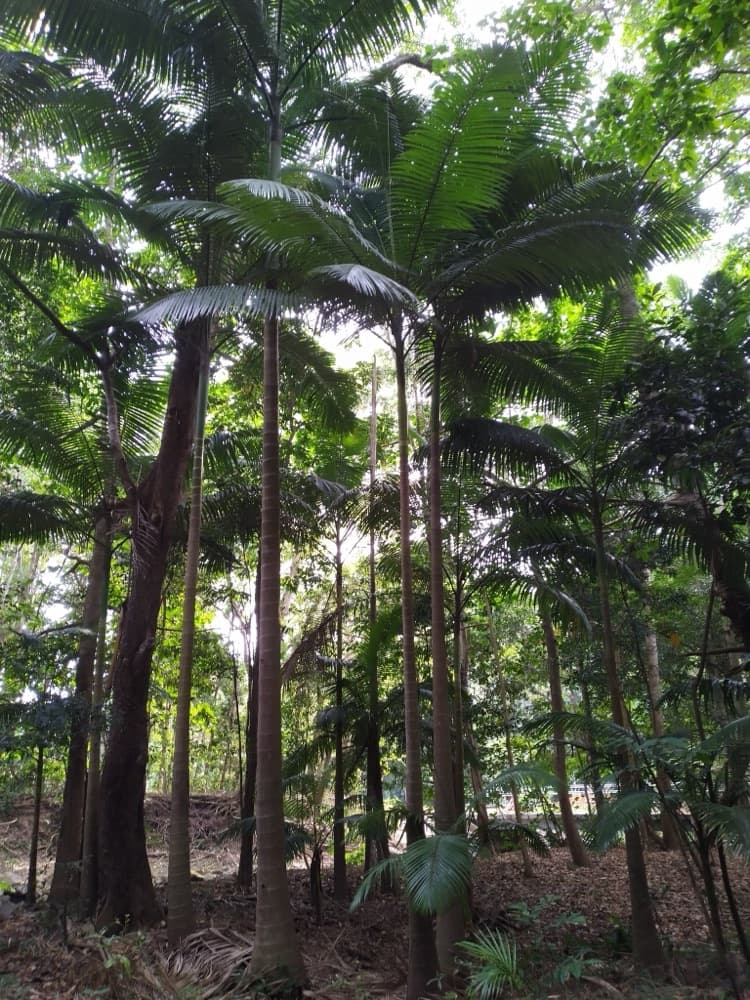
Despite its name, the King Sago is not a true palm, it's a cycad, one of the oldest plant families on earth. But don't let that stop you from appreciating why it's one of the most planted "palm-like" plants in SW Florida. Its symmetrical rosette of dark green, feather-like fronds gives it classic tropical elegance, and it thrives in Cape Coral's harsh conditions where many plants falter.
The King Sago (Cycas revoluta) has been a staple of SW Florida landscapes for decades, valued for its extreme drought tolerance, salt tolerance, and low maintenance requirements. Once established, it practically takes care of itself, a significant advantage for Cape Coral homeowners who deal with irrigation restrictions and intense summer heat.
While King Sagos grow slowly, typically just one new flush of fronds per year, they become more impressive with age. Mature specimens with multiple trunks and broad crowns can be spectacular landscape features that anchor a yard for decades. Their prehistoric look pairs beautifully with tropical and Mediterranean-style architecture alike.
Florida Palm and Plant Co. works with King Sagos in all sizes, from one-gallon container plants to multi-trunk specimen plants worth thousands of dollars. Here's how to care for them properly in SW Florida.
Growing Conditions for King Sago Palm in SW Florida
- ✓Sunlight: Full sun to partial shade; protect from harsh afternoon sun in summer to prevent frond scorch
- ✓Water: Very drought-tolerant once established; overwatering is the #1 killer
- ✓Soil: Must have excellent drainage; sandy soils of Cape Coral are ideal
- ✓Fertilizer: Cycad or palm fertilizer with micronutrients 2-3x per year
- ✓Mature Size: 3-10 feet tall (very slow grower), 6-10 feet wide spread
- ✓USDA Zone: 9-11; handles brief cold snaps well
Planting Tips for Cape Coral & Lee County
King Sagos are forgiving plants, but a few best practices at planting time will prevent the most common problems seen in SW Florida landscapes:
- ✓Plant in a well-drained location; never in a low spot that collects standing water
- ✓Do not bury the trunk, the top of the root ball should be at or slightly above grade
- ✓Water lightly after planting; then only when the soil dries out significantly
- ✓Mulch lightly, keeping mulch away from the trunk base
- ✓All parts of the King Sago are toxic to pets and humans, plant away from pet play areas
- ✓Allow plenty of space, they spread wide over time
💡 Pro Tip: King Sagos are highly susceptible to Asian cycad scale, a devastating pest that has spread across SW Florida. Inspect the undersides of fronds regularly for white, waxy scale deposits. Treat immediately with horticultural oil and systemic insecticide. Early detection is critical, heavy infestations can kill a sago in a single season.
Common Problems & Solutions
- ✓Asian cycad scale (white powder on fronds): Treat immediately with horticultural oil and systemic insecticide
- ✓Yellowing fronds: Manganese deficiency, apply manganese sulfate to the root zone; also check for overwatering
- ✓Root rot from overwatering or poor drainage: Reduce watering and ensure soil drains freely
- ✓Frond tip burn: Can be caused by salt spray or over-fertilizing; flush soil with water if fertilizer is suspected
Where to Use King Sago Palm in Your Landscape
- ✓Entry garden focal point flanking a front door or walkway
- ✓Foundation planting against walls and fences for a low-maintenance, formal look
- ✓Mixed tropical bed with bird of paradise, bromeliads, and agave
- ✓Container planting for patios and courtyards where they can be admired up close
Florida Palm and Plant Co. stocks King Sago Palms in a range of sizes, including impressive multi-trunk specimens. Whether you need one for a container or a mature landscape anchor, call (239) 799-5594 or get a free quote online and our team will find the perfect Sago for your Cape Coral or SW Florida property.