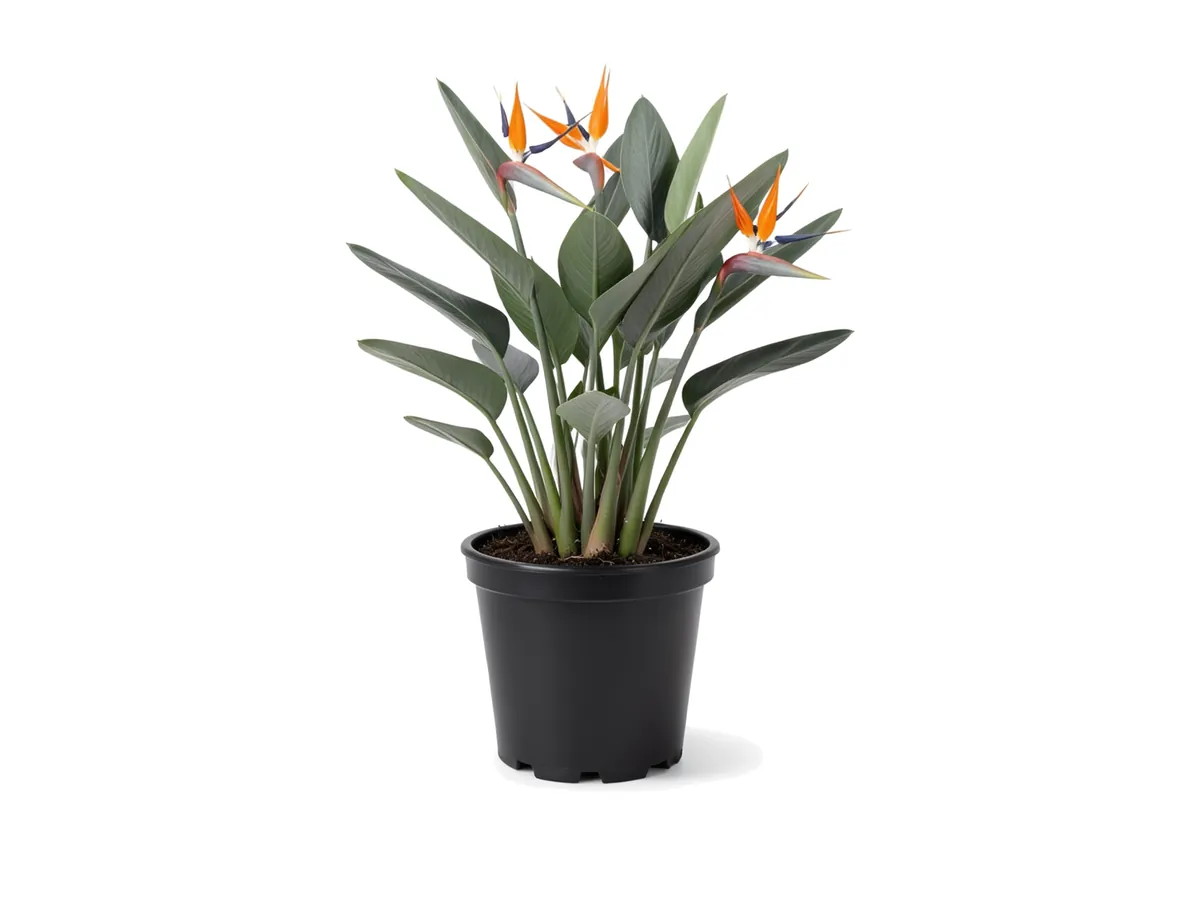
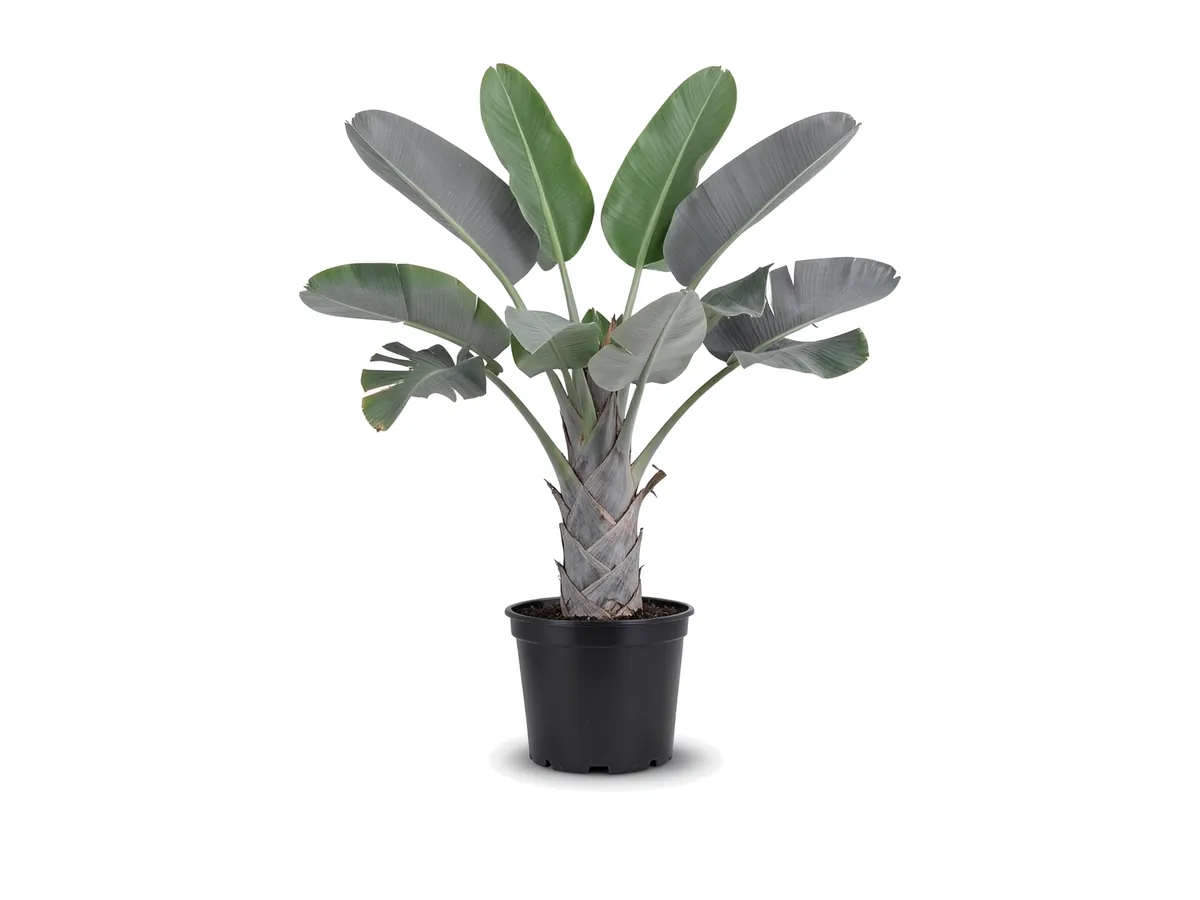
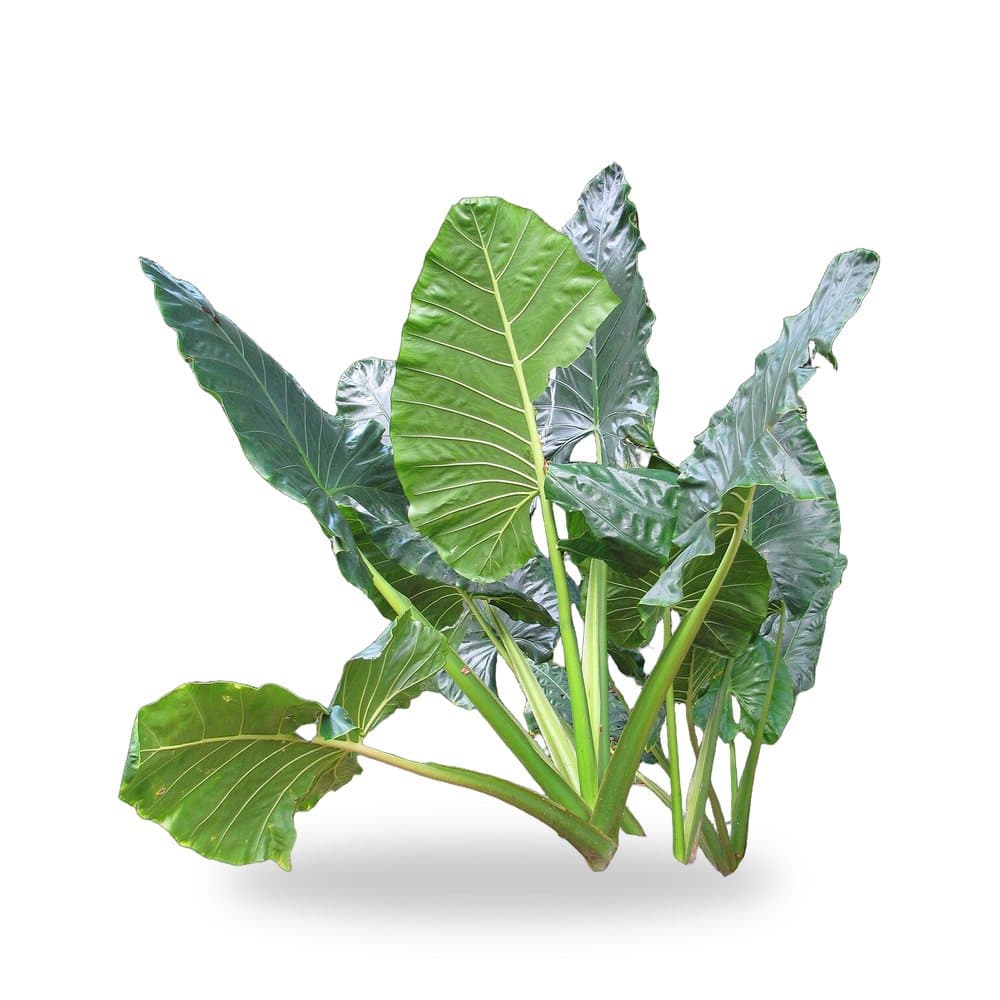
Heliconias bring the drama and exoticism of a Costa Rican rainforest right to your Cape Coral backyard, their bold, architectural blooms in fiery reds, oranges, and yellows are unlike anything else in SW Florida landscaping.
Heliconia is a genus of tropical plants native to the Americas and the Pacific, closely related to bananas and birds of paradise. In SW Florida, several species and hybrids thrive in the warm, humid climate, producing some of the most dramatic and architecturally bold flowering structures in the plant world. The colorful portions are actually modified leaves called bracts, which surround the true flowers, and they persist for weeks or even months, providing far longer-lasting color than traditional blooms.
In Cape Coral and throughout Lee County, Heliconias are used as bold accent plants in tropical landscape beds, as screening plants along privacy borders, and as dramatic poolside specimens. Tall varieties like Heliconia psittacorum and Heliconia caribaea can reach 4 to 15 feet, depending on species, creating a lush, tropical jungle effect that transforms any yard into a resort-style paradise. The cut flowers are also highly prized by florists and are long-lasting in arrangements.
Heliconias are clumping plants that spread by underground rhizomes. A single plant will expand over several seasons into a substantial clump, and divisions can be taken and replanted to spread the plants through the garden. They prefer the warmest, most humid spots in the yard and benefit from wind protection, their large, banana-like leaves shred in strong winds, which, while not harmful to the plant's health, reduces the ornamental appearance.
Growing Conditions for Heliconia in SW Florida
- ✓Sun: Full sun to partial shade, most varieties perform well in both; some dwarf types prefer bright partial shade
- ✓Water: Regular moisture required; water deeply twice weekly; do not allow to dry out during establishment
- ✓Soil: Rich, well-drained soil with high organic content; amend Cape Coral's sandy soils generously with compost
- ✓Fertilizer: Apply a balanced controlled-release fertilizer (14-14-14) three times yearly; Heliconias are heavy feeders
- ✓Mature size: 4 to 15 feet tall depending on species; spreads by rhizomes to form clumps 4 to 8 feet wide
- ✓USDA Zone: 10 to 11, ideal for coastal Lee and Collier counties; cold-sensitive below 40F
Planting Tips for Cape Coral & Lee County
The key to success with Heliconias in Cape Coral is soil preparation. Their native habitat is rich, moist rainforest soil, the opposite of Cape Coral's sandy, nutrient-poor native soil. Heavy soil amendment with compost and regular fertilization bridges this gap and allows Heliconias to grow and bloom with the vigor they are capable of in ideal conditions.
- ✓Amend planting beds generously with compost, add 4 to 6 inches of compost worked into the top 12 inches of soil
- ✓Plant in a location sheltered from strong winds to protect the large leaves from shredding during summer storms
- ✓Position in full sun or bright partial shade; deep shade reduces blooming and causes plants to stretch toward light
- ✓Maintain consistent moisture, Heliconias slow down noticeably when stressed by drought even briefly
- ✓Remove old flower stalks at the base once blooming is complete to encourage new stalks and maintain a tidy appearance
💡 Pro Tip: Heliconias planted in SW Florida bloom most heavily during the warm, humid summer months. To get the most flowers, fertilize with a granular controlled-release formula in March and again in June just before the peak summer growing season. The summer heat and humidity are ideal for Heliconia growth, and well-fed plants can produce multiple bloom stalks simultaneously from a mature clump.
Common Problems & Solutions
- ✓Cold damage below 40F, leaves and stalks may die back; cut dead material to ground level in spring; rhizomes usually survive and re-sprout
- ✓Leaf shredding from wind, normal in SW Florida summer storms; plant in a sheltered spot to reduce this; not harmful to plant health
- ✓No flowers despite healthy foliage, usually insufficient sun or inadequate fertilization; increase both for results within one season
- ✓Mealybugs in the rolled new leaves, treat with systemic insecticide or neem oil drench at the base of the plant
Where to Use Heliconia in Your Landscape
- ✓Bold tropical accent in a mixed bed of bananas, gingers, and birds of paradise for a lush rainforest effect
- ✓Tall privacy screen in a warm, sheltered microclimate where the rhizomes can spread into a dense living wall
- ✓Poolside specimen plant for dramatic bloom color and bold architectural foliage
- ✓Cut flower garden, Heliconia blooms last 2 to 3 weeks in arrangements and are highly sought after
Florida Palm and Plant Co. carries a selection of Heliconia varieties suited to Cape Coral and SW Florida gardens. Call (239) 799-5594 or get a free quote online, our tropical plant specialists can recommend the best species for your sun exposure, space, and design goals.