Cape Coral and SW Florida sit in one of the most envied growing zones in the entire United States. USDA Hardiness Zone 10a means your backyard can produce real, grocery-store-quality tropical fruit, mangoes, avocados, lychee, guava, and more, with the right trees and a little patience. Here are the 7 best tropical fruit trees for Cape Coral backyards, and exactly what to expect from each one.
Before diving in, a few things that apply to every fruit tree on this list: SW Florida's soil is sandy and well-draining, which fruit trees generally love, but it also means nutrients wash out fast. You'll need a good slow-release fertilizer (look for a citrus and avocado blend or a tropical fruit tree formula) applied 3 times per year. Spring, summer, and fall are the right timing windows. Also, most tropical fruit trees will not tolerate standing water. Plant on a slight mound if your yard floods after heavy summer rains, which is common in Lee County and Charlotte County.
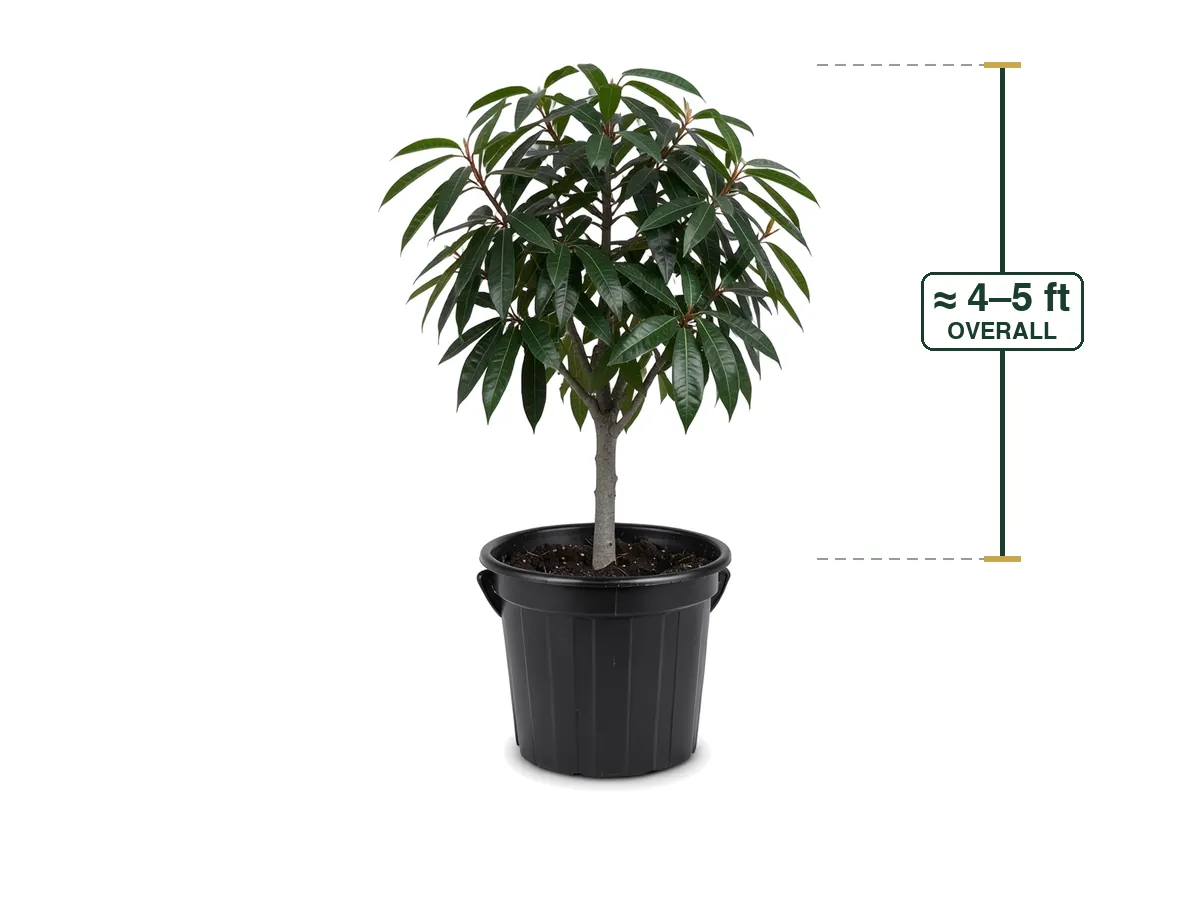
1. Mango (Mangifera indica)
The mango is the crown jewel of Florida backyard fruit trees. Cape Coral's climate is ideal, hot, humid summers with a mild dry season that actually triggers flowering. Varieties like Haden, Keitt, Kent, and Honey (Ataulfo) all thrive in SW Florida. Expect a grafted tree to produce fruit within 2-3 years. Trees typically flower from December through March and fruit ripens from May through August, depending on variety. Mangoes can grow 30-40 feet if unpruned, but most homeowners keep them at 10-15 feet with annual pruning after harvest. Give each mango tree at least 15 feet of clearance from structures and other trees. Once established, usually after the first year, mangoes are remarkably drought-tolerant and handle SW Florida's heat with ease.
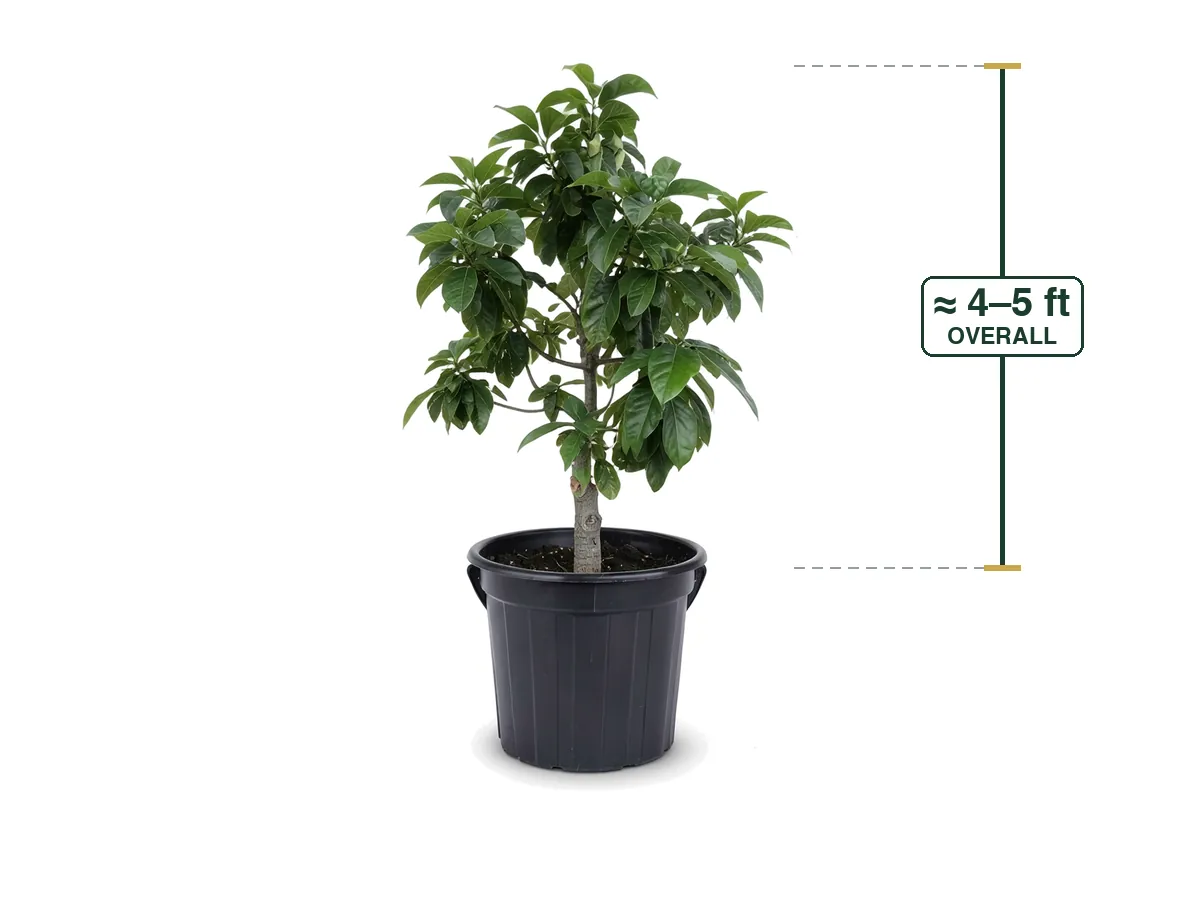
2. Avocado (Persea americana)
Avocados grow exceptionally well in Cape Coral and Fort Myers. The key is choosing the right variety, Monroe, Brogdon, and Day are all proven Florida performers that handle heat and humidity far better than the Hass variety from California. Florida avocados tend to be larger, with a creamier, slightly lower-fat flesh. Grafted trees fruit in 2-4 years. Fruiting season for most Florida varieties runs from July through October. Trees reach 20-30 feet at maturity; plan for at least 20 feet of clearance. Avocados do not like wet feet, if your yard retains water, a raised planting mound is essential. One important tip: avocado trees have Type A and Type B flower types, and while a single tree can self-pollinate, planting two trees of different types dramatically increases yield.
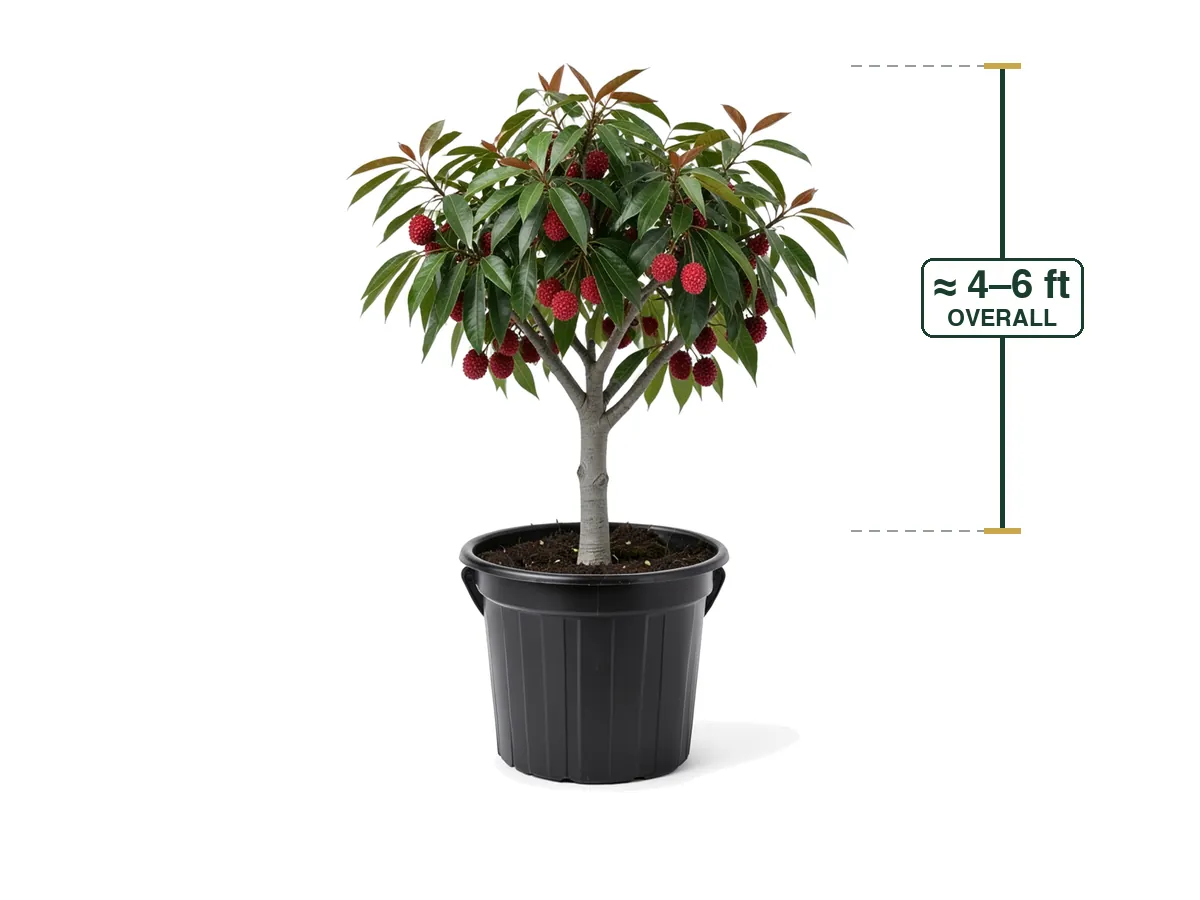
3. Lychee (Litchi chinensis)
Lychee is a premium fruit that commands high prices at farmers markets and Asian grocery stores across Lee County, and it grows beautifully in SW Florida. Brewster and Mauritius are the top-performing varieties here. Lychee requires a dry, cool winter (which Cape Coral's January, February season provides) to trigger flowering. Fruit ripens in May and June, producing those unmistakable red, bumpy clusters of sweet, floral flesh. Trees grow slowly to about 20-30 feet and are stunning as landscape specimens year-round with dense, glossy foliage. Expect to wait 3-5 years for a meaningful crop from a grafted tree. Lychee is moderately salt-tolerant, which matters in coastal Cape Coral neighborhoods. Feed with a mango and lychee blend to keep foliage a healthy dark green.
4. Guava (Psidium guajava)
If you want fruit fast, guava is your tree. Tropical pink guava can fruit in as little as 12-18 months from planting and produces prolifically with almost no effort. The fruit is sweet and aromatic, excellent fresh, in smoothies, or made into guava paste (guavabana). Trees stay relatively compact at 10-15 feet and can be kept even smaller with pruning. Guava is highly wind-tolerant and drought-tolerant once established, making it a perfect fit for Cape Coral's occasionally stormy climate. It fruits year-round in SW Florida with peak production in late spring and fall. The only downside: guava can spread aggressively from seed. Keep fallen fruit picked up, or choose a sterile variety. This is a top recommendation for new homeowners who want fruit quickly without a lot of waiting.
5. Carambola / Starfruit (Averrhoa carambola)
Starfruit is one of those trees that earns compliments from neighbors year-round. The hanging clusters of golden-yellow fruit are genuinely beautiful on the tree, and the sweet varieties (Arkin, Fwang Tung) taste like a blend of pineapple and citrus. Trees fruit twice per year in SW Florida, typically a summer crop (July, September) and a fall-winter crop (November, January). Trees reach 20-25 feet but are easily kept smaller. They prefer full sun and are moderately drought-tolerant. One note: carambola is sensitive to cold and should be planted in a location that offers protection from north winds, a concern for northern Cape Coral properties near the Orange River corridor.
6. Mamey Sapote (Pouteria sapota)
Mamey sapote is one of the best-kept secrets in Florida tropical fruit growing. The fruit has a texture similar to a sweet potato crossed with a peach, deep orange flesh with a rich, honey-like sweetness. It's popular in Cuban and Caribbean cuisine and commands $5, $10 per fruit at specialty markets in Miami and Tampa. Mamey trees are large, potentially 50-60 feet without pruning, so they need space, or regular canopy management. Grafted trees fruit in 3-5 years with a harvest window running from spring into early summer. The trees are slow-growing, long-lived, and handsome as landscape specimens with large, glossy leaves. Mamey is well-suited to SW Florida's Zone 10 climate and appreciates well-drained, fertile soil.
7. Longan (Dimocarpus longan)
Longan is lychee's close relative and shares many of the same growing requirements and rewards. The fruit is slightly smaller and less flashy than lychee, with a sweet, musky flavor and translucent white flesh. Kohala and Biew Kiew are the top varieties for Florida. Like lychee, longan needs a mild, dry winter cool-down to flower well, another reason Cape Coral's climate is particularly well-suited to it. Fruit ripens in August and September, making it a nice follow-up crop to lychee. Trees grow to 30-40 feet and are handsome year-round. Once established, longan is a tough, productive tree that requires little fuss beyond fertilization and occasional irrigation during dry spells.
Buy locally grown, grafted trees from a nursery in Lee County or Charlotte County whenever possible. Trees that have already been acclimated to SW Florida's specific soil conditions, rainfall patterns, and salt exposure will establish much faster than trees shipped from a northern nursery or box store.
Space, Soil, and Planting Tips
- ✓Amend your planting hole with compost or a high-quality tropical mix, Cape Coral's sandy soil benefits from organic matter at planting time
- ✓Water every other day for the first 4-6 weeks, then transition to once or twice weekly as the tree establishes
- ✓Apply a 3-4 inch layer of mulch around the base of each tree, keeping it 6 inches away from the trunk to prevent rot
- ✓Fertilize 3 times per year with a slow-release tropical fruit tree fertilizer, March, June, and October are ideal timing windows in SW Florida
- ✓Most tropical fruit trees prefer a soil pH between 6.0 and 7.0, have your soil tested if you're unsure
- ✓Protect young trees from our occasional cold snaps (usually January, February) with frost cloth if temps threaten to drop below 32°F
Cape Coral, Fort Myers, Bonita Springs, and the surrounding SW Florida region offer ideal conditions for a backyard tropical fruit orchard that most Americans can only dream about. With the right tree selection and proper planting, you can be harvesting your own mangoes, avocados, and lychee within just a few years. Florida Palm and Plant Co. carries a rotating selection of tropical fruit trees throughout the year. Give us a call at (239) 799-5594 or request a free quote at palmandplantco.com to find out what we currently have in stock and get expert advice on the best varieties for your specific yard and neighborhood in SW Florida.